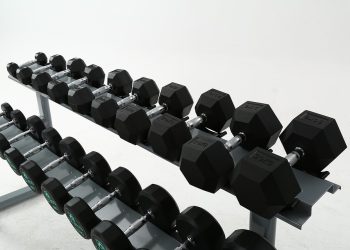
Muscle recovery is an essential part of any fitness routine. Whether you are a professional athlete or a weekend warrior, taking care of your muscles after a workout is crucial for optimal performance and injury prevention. In this article, we will discuss the top strategies and tips for speeding up muscle recovery so you can get back to training faster and stronger.
Understanding Muscle Recovery
Before we dive into the strategies for speeding up muscle recovery, it’s important to understand how the process works. When you work out, you are essentially breaking down muscle fibers through physical activity. The body then repairs and rebuilds these fibers during the recovery process, leading to muscle growth and strength gains.
10 Effective Strategies To Speed Up Muscle Recovery

1. Get Enough Sleep
One of the most important factors in muscle recovery is getting enough sleep. During sleep, your body releases growth hormones that stimulate muscle growth and repair. Aim for 7-9 hours of quality sleep per night to give your muscles the time they need to recover and grow.
2. Stay Hydrated
Dehydration can hinder muscle recovery by reducing blood flow and nutrient delivery to the muscles. Make sure to drink plenty of water throughout the day, especially before and after workouts, to keep your muscles hydrated and facilitate the recovery process.
3. Proper Nutrition
One of the most important factors in muscle recovery is nutrition. Eating a balanced diet that includes plenty of protein, carbohydrates, and healthy fats is essential for providing the body with the nutrients it needs to repair and rebuild muscle tissue. Be sure to include foods rich in antioxidants, such as fruits and vegetables, to help reduce inflammation and promote faster healing.
4. Use Compression Garments
Compression garments are designed to improve blood flow and reduce muscle soreness, helping to speed up the recovery process. Wearing compression garments during and after workouts can enhance muscle recovery and reduce the risk of injury.
5. Practice Active Recovery

Active recovery involves engaging in low-intensity activities like walking, swimming, or yoga to promote blood flow and reduce muscle stiffness. Incorporating active recovery sessions into your routine can help speed up muscle recovery and improve overall performance.
6. Try Cryotherapy – Ice Baths
Cryotherapy, or cold therapy, involves exposing the body to cold temperatures to reduce inflammation and promote muscle recovery. Studies have shown that cryotherapy can help alleviate muscle soreness and improve recovery after intense exercise.
7. Foam Roll Regularly
Foam rolling is a form of self-myofascial release that can help loosen tight muscles, improve blood flow, and reduce muscle soreness. Incorporating foam rolling into your post-workout routine can enhance muscle recovery and prevent injury.
8. Take Protein Supplements
Protein is essential for muscle repair and growth, making it important to consume an adequate amount of protein after workouts. Taking protein supplements like whey protein can help speed up muscle recovery and promote muscle growth.
9. Ice and Heat Therapy
Applying ice to sore muscles can help reduce inflammation and relieve pain. Heat therapy, such as using a heating pad or taking a warm bath, can help increase blood flow to the muscles and promote healing. Alternate between ice and heat treatments for maximum benefits.
10. Massage Therapy
Massage therapy can help improve circulation, reduce muscle tension, and speed up recovery. Consider scheduling regular massages or using a foam roller to target specific areas of soreness.
Additional Tips for Faster Healing
1. Listen to Your Body
Pay attention to how your body feels during and after workouts. If you are experiencing persistent pain or discomfort, it may be a sign that you need to rest or modify your training routine.
2. Stay Consistent
Consistency is key when it comes to muscle recovery. Stick to a regular workout schedule, eat a balanced diet, and prioritize rest and recovery to see the best results.
3. Stay Positive
Maintaining a positive mindset can help reduce stress and promote faster healing. Focus on the progress you are making and celebrate small victories along the way.
4. Consult a Professional
If you are experiencing chronic pain or have concerns about your muscle recovery, consider consulting a healthcare professional or physical therapist for personalized advice and treatment options.
Conclusion
Speeding up muscle recovery is essential for maximizing your performance and achieving your fitness goals. By following the strategies and tips outlined in this guide, you can help your muscles heal faster and get back to training stronger than ever. Remember to prioritize nutrition, hydration, rest, and recovery to ensure optimal results. Listen to your body, stay consistent, and seek professional help if needed. With dedication and patience, you can speed up muscle recovery and reach your fitness goals faster than you thought possible.