Are you hitting the gym but not seeing the muscle growth you want? Or maybe you’re trying to lose weight but still feel hungry all the time? The secret might not be in another workout—but in your plate. A balanced diet for weight loss doesn’t mean cutting out food; it means choosing the right nutrients that support your goals. And when it comes to building lean muscle and staying full longer, nothing beats protein rich foods. Whether you’re strength training, toning up, or simply trying to stay strong and healthy, eating the right kind of protein can be a game changer.
Let’s break down why protein matters, how much you actually need, and the top 10 protein rich foods that can help you power through your workouts, recover faster, and build the strong, toned body you’re working for.
Why Protein is Important for Muscle Building
Protein is made up of amino acids—the building blocks your body uses to repair and grow muscle tissue. Every time you work out, especially during strength or resistance training, your muscles experience small tears. Protein swoops in to repair that damage and help muscles grow back stronger.
It also supports muscle protein synthesis, the process your body uses to build new muscle. Without enough protein, your body won’t recover properly, and you’ll miss out on potential gains—even if your workouts are intense.
How Much Protein Do You Really Need?
The amount of protein you need depends on your weight, activity level, and fitness goals. A general rule for active individuals is to consume 1.2 to 2.2 grams of protein per kilogram of body weight per day. If muscle gain is your focus, stick to the higher end of that range.
Equally important is timing—don’t eat all your protein in one meal. Spread your intake evenly across breakfast, lunch, dinner, and post-workout snacks to maximize absorption and muscle repair.
The Benefits of Protein Beyond Muscle
Protein is essential for more than just gains. It:
Helps curb hunger and reduce cravings
Supports healthy hair, skin, and nails
Boosts metabolism through the thermic effect of food
Aids in hormone and enzyme production
Strengthens your immune system
Whether your goal is building muscle or following a balanced diet for weight loss, protein plays a starring role in getting results that last.
Top 10 Protein Rich Foods for Building Strength
1. Chicken Breast
Chicken breast is a lean source of protein that is low in fat and high in muscle-building amino acids. It is a staple in many bodybuilders’ diets due to its high protein content and versatility in cooking. Whether grilled, baked, or sautéed, chicken breast is a great option for those looking to increase their protein intake.
2. Greek Yogurt
Greek yogurt is packed with protein and contains probiotics that can aid in digestion and gut health. It is a versatile food that can be enjoyed on its own or used as a base for smoothies, dips, and dressings. Opt for plain Greek yogurt to avoid added sugars and artificial flavors.
3. Eggs
Eggs are a complete protein source that contains all nine essential amino acids. They are also rich in nutrients like vitamins D and B12, as well as choline, which is important for brain health. Whether boiled, scrambled, or poached, eggs are a convenient and affordable protein option.
4. Salmon
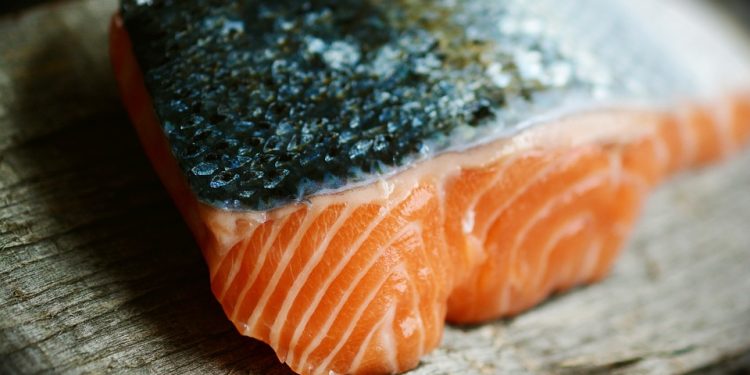
Salmon is a fatty fish that is rich in omega-3 fatty acids and high-quality protein. Omega-3s are important for reducing inflammation and promoting heart health. Grilled or baked salmon is a delicious and nutritious protein source that can help you build strength and recover from intense workouts.
5. Lentils
Lentils are a plant-based protein source that is high in fiber and low in fat. They are also rich in iron, which is important for oxygen transport in the body. Lentils can be cooked and added to soups, salads, and stews for a protein-packed meal that will keep you feeling full and satisfied.
6. Lean Beef
Lean beef is a protein-rich food that is high in iron, zinc, and vitamin B12. These nutrients are important for energy production and muscle function. Opt for lean cuts of beef like sirloin or tenderloin to minimize saturated fat intake while maximizing protein content.
7. Quinoa
Quinoa is a gluten-free grain that is rich in protein and essential amino acids. It is also a good source of fiber, magnesium, and antioxidants. Quinoa can be used as a base for salads, stir-fries, and grain bowls to increase the protein content of your meals and support muscle growth.
8. Cottage Cheese
Cottage cheese is a low-fat dairy product that is high in protein and calcium. It is a great snack option that can be enjoyed on its own or paired with fruits and nuts for added flavor and nutrients. Cottage cheese is also a good source of casein protein, which is slow-digesting and can help prevent muscle breakdown during periods of fasting, such as overnight.
9. Tofu
Tofu is a soy-based protein source that is popular among vegetarians and vegans. It is rich in protein and contains all nine essential amino acids. Tofu is a versatile ingredient that can be used in stir-fries, soups, and salads to increase the protein content of plant-based meals.
10. Whey Protein
Whey protein is a fast-digesting protein powder that is commonly used by athletes and bodybuilders to increase their protein intake. It is derived from milk and is high in branched-chain amino acids, which are important for muscle recovery and growth. Whey protein can be mixed with water or milk and consumed before or after workouts to support muscle repair and growth.
Sample Meal Plan
Here is a sample meal plan that includes a variety of protein-rich foods to help support your muscle building goals:
Breakfast:
- Scrambled eggs with spinach and feta cheese
- Whole grain toast with avocado
- Coffee with milk
Lunch:
- Grilled chicken salad with mixed greens, tomatoes, cucumbers, and balsamic vinaigrette
- Greek yogurt with honey and almonds
Snack:
- Carrot sticks with hummus
- Apple slices with peanut butter
Dinner:
- Baked salmon with quinoa and roasted vegetables
- Steamed broccoli with Parmesan cheese
How to Optimize Your Protein Intake for Muscle Building
Now that you know the best sources of protein for muscle building, it’s important to understand how to optimize your protein intake for maximum results. Here are some tips for maximizing the muscle-building benefits of protein:
Calculate Your Protein Needs
It’s important to calculate how much protein you need each day to support muscle growth and repair. A general guideline is to consume 1 gram of protein per pound of body weight, but this can vary depending on your individual goals and activity level.
Spread Your Protein Intake Throughout the Day
Instead of consuming all of your protein in one meal, try to spread your protein intake throughout the day. This will help to optimize muscle protein synthesis and keep your muscles fueled for optimal growth and recovery.
Pair Protein with Carbohydrates
Consuming protein with carbohydrates can help to enhance muscle protein synthesis and replenish glycogen stores after a workout. Try to include a source of carbohydrates with your protein-rich meals and snacks for maximum muscle-building benefits.
Sleep and Recovery
Getting enough sleep and allowing your muscles to recover is crucial for muscle growth. Make sure to prioritize rest and recovery, as this will help to maximize the benefits of your protein intake and promote overall muscle health.
How to Incorporate Protein-Packed Foods Into Your Diet
Now that you know some of the best protein-packed foods for muscle building, it’s time to think about how to incorporate them into your diet. Here are a few tips to help you maximize your protein intake and support your muscle-building goals:
1. Plan your meals in advance: Take some time each week to plan out your meals and snacks, making sure to include plenty of protein-rich foods like chicken, eggs, and Greek yogurt.
2. Prep your meals ahead of time: Preparing your meals in advance can save you time and ensure that you have healthy, protein-packed options on hand when hunger strikes.
3. Experiment with different recipes: Don’t be afraid to get creative in the kitchen and try out new recipes using protein-packed foods like salmon, lentils, and tofu. Variety is key to staying motivated and sticking to your muscle-building diet.
4. Supplement when necessary: While whole foods should always be your first choice for protein intake, there may be times when a protein supplement is convenient or necessary. Look for high-quality protein powders that are free of added sugars and artificial ingredients.
FAQ
How Much Protein Do I Need to Build Muscle?
For muscle building, aim for 0.8-1 gram of protein per pound of body weight daily. So if you weigh 150 pounds, you’d need about 120-150 grams of protein per day. More active individuals or those doing intense strength training may benefit from the higher end of this range. Your specific needs can vary based on your age, training intensity, and overall goals.
Can I Get Enough Protein from Plant-Based Sources?
Absolutely. Plant-based proteins like lentils, chickpeas, quinoa, tofu, tempeh, nuts, seeds, and whole grains can easily meet your protein needs. The key is eating a variety of these foods throughout the day to ensure you get all essential amino acids. Many plant foods also provide fiber, vitamins, and minerals that support overall health and recovery.
When is the Best Time to Consume Protein for Muscle Building?
While total daily protein intake matters most, having protein within 1-2 hours after your workout can support muscle recovery and growth. That said, spreading protein evenly throughout the day (20-30 grams per meal) is more important than precise timing. Include a protein source with each meal and snack to maintain steady amino acid availability for muscle repair.
Can I Build Muscle Without Consuming Protein Supplements?
Yes, you can absolutely build muscle using only whole food protein sources like chicken, fish, eggs, dairy, beans, and nuts. These foods often provide better nutrition overall compared to supplements. Protein powders are simply convenient, not necessary. Focus on getting protein from real foods first, and only consider supplements if you’re struggling to meet your daily protein goals through regular meals.
Can I consume too much protein?
In general, it is difficult to consume too much protein from whole foods alone. However, excessive consumption of protein supplements or heavily processed protein bars and shakes can lead to digestive issues and other health problems. It is always best to focus on getting your protein from natural, whole foods whenever possible.
Conclusion
Protein is essential for muscle building, so it’s important to include plenty of protein-rich foods in your diet. By incorporating lean meats, fish, eggs, dairy products, legumes, nuts, seeds, and protein supplements into your meals, you can help support muscle growth and recovery. Remember to spread your protein intake throughout the day and aim for a total daily intake that aligns with your fitness goals. With a balanced diet and regular exercise, you can power up your muscle building journey and achieve the results you desire.
Protein is a vital nutrient for building strength and muscle mass. By incorporating these top 10 protein-rich foods into your diet, you can power up your muscles and achieve your fitness goals. Whether you prefer animal-based or plant-based sources of protein, there are plenty of options to choose from that can help you reach your full potential in the gym. Remember to pair your protein intake with a balanced diet, regular exercise, and adequate rest to maximize your muscle-building efforts.
Start incorporating these protein-rich foods into your meals today and watch your strength and muscle mass increase over time. Your body will thank you for fueling it with the nutrients it needs to perform at its best.