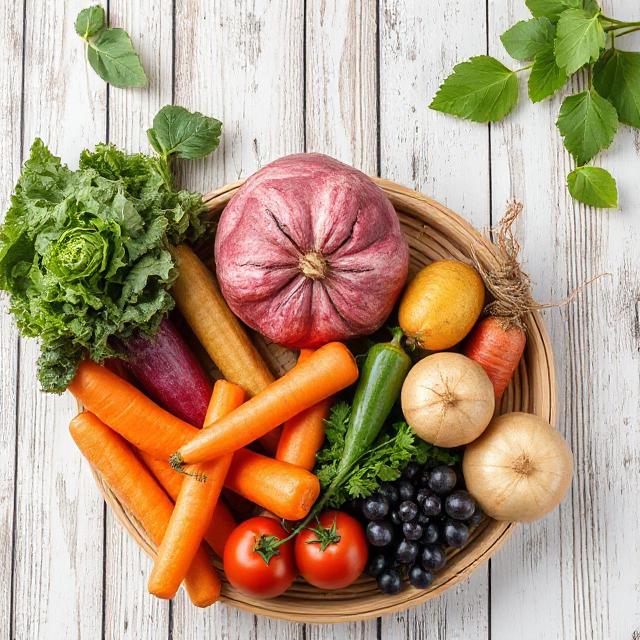
Thinking about switching to organic food but not sure if it’s really worth it? You’re not alone. With growing concerns about pesticides, preservatives, and food quality, more people are turning to organic options for better health and peace of mind. But is organic just a buzzword—or does it offer real benefits?
In this guide, we’ll explore the top benefits of eating organic food, break down what “organic” really means, and help you understand how choosing organic can positively impact your health, your environment, and even your taste buds. Whether you’re a health-conscious shopper, a parent planning better meals, or just curious about the organic lifestyle, this article is packed with the insights you need to make informed decisions.
What Is Organic Food?
Organic food refers to fruits, vegetables, grains, dairy, and meat that are grown or raised without synthetic fertilizers, pesticides, genetically modified organisms (GMOs), or artificial additives. Instead, organic farming relies on natural methods, including composting, crop rotation, and ethical animal rearing practices.
To carry the “certified organic” label, these foods must meet strict standards set by national regulatory bodies (like the USDA or EU Organic Certification), ensuring they’re truly clean, sustainable, and ethically produced.
6 Proven Benefits of Organic Foods
Choosing organic food isn’t just about what you’re avoiding—it’s about what you’re gaining. Here are some of the biggest benefits of eating organic food:
Fewer Chemicals and Pesticides
Organic produce is grown without harmful pesticides or synthetic fertilizers, meaning you’re consuming fewer toxins and reducing long-term health risks.More Nutrient-Dense
Studies show that organic fruits and vegetables can contain higher levels of antioxidants, vitamins, and minerals, making every bite more beneficial to your body.Better for the Environment
Organic farming promotes soil health, water conservation, and biodiversity. It reduces pollution and helps maintain ecological balance.No GMOs or Artificial Additives
Organic products are GMO-free and avoid the use of synthetic preservatives, colorings, and flavorings—so you get food that’s closer to its natural form.Higher Animal Welfare Standards
Organic meat and dairy come from animals raised in more humane conditions, without growth hormones or routine antibiotics.Tastes Better (Many Say So!)
Many consumers report that organic food simply tastes fresher and more flavorful, especially fruits, veggies, and grass-fed meats.
10 Organic Foods for Sustainable Healthy Living

Eating organic doesn’t have to be complicated or expensive. By focusing on high-impact, nutrient-dense options, you can nourish your body while also supporting the environment. Here are 10 must-have organic foods for a healthier and more sustainable lifestyle:
1. Organic Leafy Greens (Spinach, Kale, Swiss Chard)
Packed with iron, fiber, and antioxidants, leafy greens are among the most pesticide-contaminated foods when grown conventionally. Choosing organic drastically reduces your exposure to harmful residues.
2. Organic Apples
One of the most pesticide-heavy fruits on the market. Organic apples offer the same crisp taste—minus the synthetic chemicals—making them a smart daily snack for clean eating.
3. Organic Berries (Strawberries, Blueberries, Raspberries)
Berries are loaded with vitamin C and phytonutrients, but they have delicate skins that absorb chemicals easily. Opting for organic keeps your antioxidant boost clean and safe.
4. Organic Carrots
Naturally sweet and versatile, carrots are a great source of beta-carotene for eye health. Organic carrots support soil regeneration and avoid synthetic soil treatments.
5. Organic Avocados
While they’re lower in pesticide residues than many fruits, choosing organic avocados supports sustainable farming practices and reduces your overall environmental impact.
6. Organic Eggs
Organic eggs come from hens raised without antibiotics, hormones, or GMO feed. You get more omega-3s, vitamin D, and a cleaner conscience with every bite.
7. Organic Quinoa
This plant-based protein is a superfood for a reason. Organic quinoa farming helps preserve soil integrity and keeps synthetic inputs out of your pantry.
8. Organic Tomatoes
Rich in lycopene, tomatoes are often heavily sprayed with pesticides when conventionally grown. Organic tomatoes offer more flavor and less chemical residue.
9. Organic Sweet Potatoes
Sweet potatoes provide sustained energy, fiber, and antioxidants. Organic options are grown without herbicides, keeping both your plate and the planet healthier.
10. Organic Oats
A breakfast staple that’s often contaminated with glyphosate in conventional production. Organic oats are a safe, fiber-rich choice for heart and digestive health.
Tips for Incorporating Organic Foods into Your Diet

Want to eat more organic but not sure where to start? Here are simple, realistic tips to help you transition without feeling overwhelmed:
1. Start with the Dirty Dozen
Focus on buying organic versions of the “Dirty Dozen”—the top 12 fruits and vegetables most contaminated with pesticides (like strawberries, spinach, and apples).
2. Buy in Bulk
Look for deals on organic staples like oats, beans, rice, and quinoa. Buying in bulk saves money and reduces packaging waste.
3. Shop Seasonally and Locally
Visit your local farmer’s market or join a CSA (community-supported agriculture). Seasonal organic produce is often fresher, cheaper, and better for the environment.
4. Mix Organic and Conventional Smartly
You don’t have to go 100% organic overnight. Focus on organic dairy, eggs, and meat if you’re on a tight budget—they tend to have the biggest impact on health.
5. Read Labels Carefully
Look for certifications like USDA Organic or Non-GMO Project Verified. Not all “natural” products are truly organic or chemical-free.
❓ Frequently Asked Questions (FAQs)
What is your opinion on organic food benefits?
Organic food offers meaningful benefits for health, the environment, and overall food quality. As an advocate of clean eating, I believe choosing organic—especially for high-risk foods—can reduce your exposure to synthetic chemicals, support sustainable agriculture, and encourage mindful nutrition habits. While not everything needs to be organic, small changes can make a big difference.
Is organic food healthier than conventional food?
Generally, yes. Organic foods are grown without synthetic pesticides, antibiotics, and hormones. Some studies also suggest organic produce has higher antioxidant levels, and organic meat and dairy have more omega-3 fatty acids. However, the overall health benefit also depends on the variety and balance in your diet.
Is organic food safer to eat than conventional food?
Organic food reduces your exposure to potentially harmful chemicals like pesticides and antibiotics. While both conventional and organic foods must meet safety standards, organic choices come with stricter regulations and often lower residues, making them a safer long-term option for many people—especially children and those with sensitivities.
Is organic food more expensive than conventional food?
Yes, organic food typically costs more due to stricter farming practices, certification costs, and smaller-scale production. However, shopping smart (buying in season, in bulk, or locally) can help you stay within budget while still enjoying the benefits of eating organic food.
Final Thoughts
Choosing organic food is more than a health decision—it’s a lifestyle shift that supports your body, your family, and the planet. Whether you’re just starting out or already incorporating organic items into your meals, every step counts.
Now, I’d love to hear from you:
👉 Do you eat organic? What changes have you noticed in your health or energy levels?
👉 Which organic foods do you prioritize in your grocery list?
Drop your thoughts in the comments or share your experience—your journey could inspire someone else to make the switch!