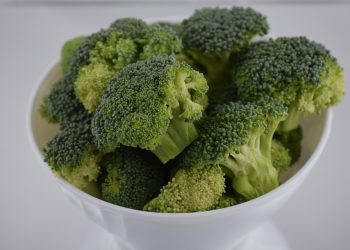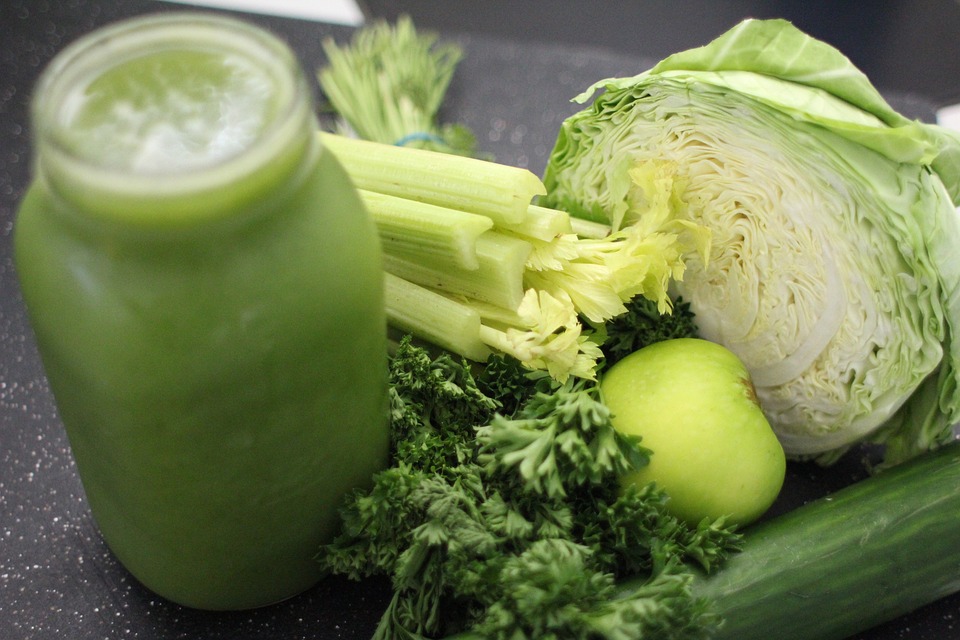
Are you looking to improve your health and wellness through clean eating? Clean eating is a lifestyle that focuses on consuming whole, unprocessed foods that are nutrient-dense and free from artificial ingredients. By making simple changes to your diet and choosing foods that nourish your body, you can transform your health and well-being. In this ultimate guide to clean eating, we will explore the benefits of clean eating, provide tips for getting started, and offer delicious recipes to help you on your journey to better health.
What Is Clean Eating
Clean eating is a simple, sustainable way of nourishing your body with real, whole foods. At its core, clean-eating means choosing foods that are as close to their natural state as possible—minimally processed, free of artificial additives, and rich in nutrients.
This approach emphasizes fresh fruits and vegetables, lean proteins, whole grains, and healthy fats while limiting or avoiding heavily processed foods, added sugars, refined carbs, and artificial ingredients. Clean eating also includes being mindful of how food is sourced, prepared, and enjoyed, promoting a healthier relationship with food overall.
Rather than being a restrictive diet, clean-eating encourages balanced choices and long-term habits that support your energy, weight, and overall well-being.
The Benefits of Clean Eating

Clean eating has numerous benefits for your health and wellness. By choosing whole, nutrient-dense foods, you can improve your energy levels, support your immune system, and reduce your risk of chronic diseases. Clean eating can also help you maintain a healthy weight, improve your digestion, and enhance your overall well-being.
Improved Energy Levels
When you fuel your body with nutrient-dense foods, you provide it with the essential vitamins, minerals, and antioxidants it needs to function optimally. This can help you feel more energized throughout the day and avoid the energy crashes that often come with consuming processed foods high in sugar and unhealthy fats.
Support for Your Immune System
Many whole foods, such as fruits, vegetables, nuts, seeds, and lean proteins, are rich in immune-boosting nutrients like vitamin C, zinc, and antioxidants. By incorporating these foods into your diet, you can strengthen your immune system and reduce your risk of getting sick.
Reduced Risk of Chronic Diseases
Clean eating can help reduce your risk of developing chronic diseases like heart disease, diabetes, and certain types of cancer. By avoiding processed foods that are high in sugar, unhealthy fats, and additives, you can protect your health and prevent inflammation and oxidative stress in the body.
10 Essential Clean Eating Tips for a Healthier You
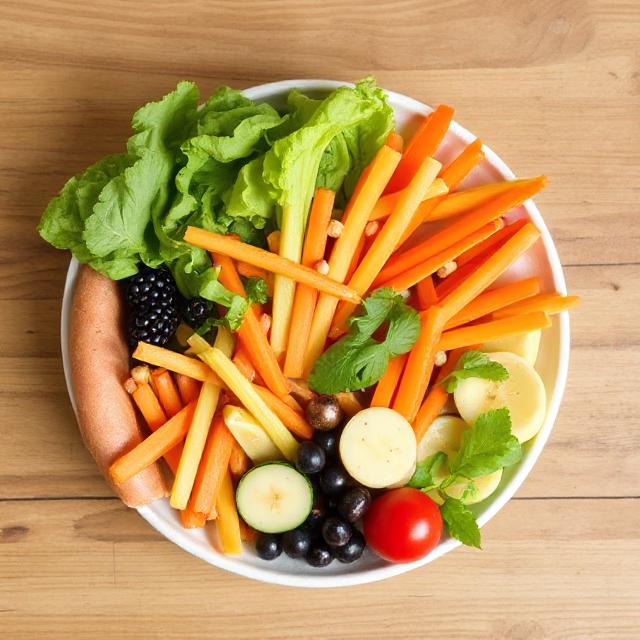
If you’re wondering how to eat clean, you’re not alone. Clean eating isn’t a strict diet, it’s a flexible lifestyle focused on choosing foods that nourish your body and support overall wellness. Whether you’re looking to boost energy, lose weight, or simply feel better day to day, clean eating can be a powerful first step. Here are 10 essential clean eating tips for a healthier you:
1. Focus on Whole Foods First
Clean eating starts with choosing whole foods that are as close to their natural state as possible. Shop for fresh fruits, colorful vegetables, whole grains like oats or brown rice, lean proteins, and healthy fats like avocados or nuts. These foods are packed with fiber, vitamins, and minerals that your body needs to function at its best.
2. Avoid Highly Processed Foods
One of the biggest shifts in learning how to eat clean is cutting back on ultra-processed foods. This includes anything with long ingredient lists, artificial additives, refined sugars, or unhealthy fats. Processed foods may be convenient, but they can sabotage your energy levels, digestion, and long-term health.
3. Read Food Labels Carefully
Clean eating diets don’t mean avoiding all packaged foods—it means choosing smarter. Always read ingredient labels. Look for simple, familiar items you can pronounce. Watch out for hidden sugars (like corn syrup or maltodextrin), hydrogenated oils, and chemical preservatives. If a product contains more than five to seven questionable ingredients, consider skipping it.
4. Cook More Meals at Home
One of the best ways to take control of your nutrition is to cook at home. You don’t need to be a gourmet chef, just start with simple meals made with real ingredients. Home cooking allows you to control the quality of oils, seasoning, and food portions, helping you eat clean without guesswork.
5. Choose Healthy Cooking Methods
When preparing your meals, skip deep frying and heavy sauces. Instead, try grilling, steaming, baking, roasting, or sautéing with olive oil. These methods preserve the nutritional value of your food while keeping unnecessary calories and chemicals out of your meals.
6. Stay Hydrated with Clean Beverages
Hydration is part of clean eating too. Opt for water, herbal teas, or naturally flavored water with fruits or herbs. Avoid sugary sodas, artificially sweetened drinks, and energy drinks loaded with chemicals. Clean hydration supports digestion, detoxification, and better skin health.
7. Balance Your Plate
A clean meal should include a balance of macronutrients: lean protein, complex carbohydrates, and healthy fats, along with plenty of vegetables. Think of your plate as 50% veggies, 25% lean protein, and 25% whole grains or starches.
8. Practice Mindful Eating
Clean eating isn’t just about what’s on your plate, it’s also about how you eat. Slow down, chew thoroughly, and tune into your hunger and fullness cues. This builds a healthier relationship with food and helps prevent overeating.
9. Plan Ahead
Clean eating is easier when you’re prepared. Plan your meals and snacks for the week, batch cook when possible, and keep healthy staples on hand. Having clean options ready to go prevents impulsive food choices and supports long-term success.
10. Make Gradual, Sustainable Changes
You don’t need to overhaul your diet overnight. Start with small, manageable changes—like swapping soda for water, or adding one extra serving of vegetables to your meals. Consistency is more important than perfection when building a clean eating lifestyle that lasts.
Clean-eating is not about restriction—it’s about nourishment. By choosing whole, nutrient-rich foods and eliminating unnecessary additives, you’re giving your body the fuel it needs to thrive. Whether you’re just starting or looking to fine-tune your habits, these clean eating tips can guide you toward a healthier, more energized version of yourself.
Frequently Asked Questions About Clean Eating
1. What does eating clean mean?
Eating clean means choosing whole, minimally processed foods that are as close to their natural state as possible. It’s about cutting back on added sugars, refined carbs, preservatives, and artificial ingredients—and instead, focusing on real, nutrient-dense foods like fresh fruits, vegetables, lean proteins, and healthy fats.
2. How do you eat clean?
To eat clean, start by reading food labels, cooking more meals at home, and shopping the perimeter of the grocery store where fresh foods are typically found. Prioritize whole grains, leafy greens, fresh fruits, and lean proteins while limiting processed snacks, sugary drinks, and takeout meals.
3. What is considered clean eating?
Clean eating is not a strict diet—it’s a flexible lifestyle that emphasizes whole, real foods and limits processed or artificial ingredients. It includes balanced meals with fiber, protein, and healthy fats, and encourages mindful eating habits like portion control and listening to your body’s hunger cues.
4. How do beginners eat clean?
Beginners can start clean eating by making small, manageable changes. Replace soda with water or herbal tea, swap white bread for whole grain, cook simple meals at home, and fill half your plate with vegetables. Don’t worry about being perfect—just focus on eating more real food and fewer processed items.
5. Can I eat eggs on a clean diet?
Yes, eggs are a clean, whole food and an excellent source of high-quality protein, healthy fats, and essential nutrients. Opt for organic or free-range eggs if possible, and prepare them without processed oils or additives to keep your meals truly clean.
6. What do 10 days of clean eating actually do to your body?
Just 10 days of clean eating can lead to noticeable benefits. Many people report increased energy, better digestion, reduced bloating, improved skin, and fewer cravings. You may also sleep better and feel more mentally clear. Clean eating helps your body reset and start functioning more efficiently.
Conclusion
Clean eating is not about perfection, it’s about making better food choices one step at a time. By focusing on nutrient-rich, whole foods and reducing your intake of processed items, you give your body the fuel it needs to function at its best.
With consistency, clean eating can help you feel more energized, support a healthy weight, and reduce your risk of chronic diseases. Whether you’re just getting started or looking to refine your habits, embracing clean-eating is a powerful way to take charge of your health and live a more vibrant life.