
Weight loss can be a challenging journey, but with the right strategies in place, it is possible to achieve sustainable results for the long term. From setting realistic goals to incorporating healthy habits into your daily routine, there are many ways to lose weight in a way that is healthy, efficient, and maintainable. In this comprehensive guide, we will explore 10 healthy and sustainable weight loss strategies that can help you reach your goals and maintain them over time.
What is Sustainable Weight Loss?
Sustainable weight loss is not about crash diets or extreme workouts—it’s about creating healthy habits that you can maintain long term. Unlike quick fixes that promise fast results but often lead to rebound weight gain, a sustainable weight loss plan focuses on steady progress, balanced nutrition, and a lifestyle you can stick with for years to come.
If you’re looking for a proven path, a sustainable weight loss program combines nutrition, regular physical activity, stress management, and sleep hygiene. The goal isn’t just to lose weight—it’s to keep it off while improving your overall health and well-being.
The Importance of Sustainable Weight Loss

Before we dive into the nitty-gritty details of how to achieve sustainable weight loss, let’s first discuss why it’s so important. Sustainable weight loss is about more than just shedding a few pounds – it’s about creating healthy habits that will last a lifetime. Crash diets and extreme exercise regimens may help you lose weight in the short term, but they are not sustainable in the long run. By focusing on sustainable weight loss methods, you can not only achieve your weight loss goals but also improve your overall health and well-being.
Sustainable Diet For Weight Loss
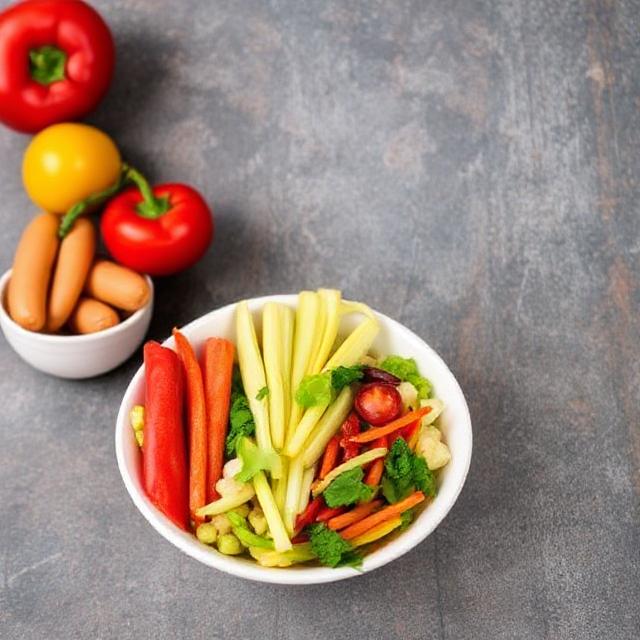
A sustainable diet for weight loss includes whole foods like lean proteins, fruits, vegetables, whole grains, and healthy fats, foods that fuel your body and keep you full. It’s not about cutting out entire food groups but about learning what works for your body and sticking to realistic, consistent habits.
How To Sustain Weight Loss
Achieving your goal weight is a victory, but the real challenge is keeping it off. A sustainable weight loss plan is about long term success, not quick results. Here is how to build healthy habits that last and support a sustainable diet for weight loss.
1. Set Realistic Goals
When it comes to sustainable weight loss, setting realistic and attainable goals is one of the most important steps. Instead of aiming to drop ten pounds in a week, focus on steady progress like one to two pounds per week. Small wins lead to lasting results. Want to wear your favorite jeans again? That is a great goal—just track your progress and avoid letting unrealistic expectations drain your motivation.
2. Eat a Balanced Diet
The foundation of any sustainable diet for weight loss is balanced nutrition. Fill your plate with:
Lean proteins like chicken, eggs, and tofu
Colorful vegetables and fruits
Whole grains such as brown rice, oats, and quinoa
Healthy fats including avocados, olive oil, and nuts
Minimize processed snacks and sugary drinks. A well balanced diet keeps you full, supports your metabolism, and helps maintain steady energy levels.
Click here Unlocking the Secret to Sustainable Weight Loss with a Balanced Diet to learn more on how eating a balanced diet supports sustainable weight loss
3. Stay Active Consistently
Physical activity plays a major role in both losing weight and keeping it off. You do not need an intense gym routine. Choose movement you enjoy:
Evening walks
Bike rides on the weekend
Dance workouts
Strength exercises at home
Aim for 30 minutes of daily activity. Making exercise part of your routine is essential to any sustainable weight loss program.
4. Practice Mindful Eating
Mindful eating helps you stay connected with your body’s needs. Try these habits:
Eat without distractions like screens
Pay attention to hunger and fullness
Chew slowly and enjoy each bite
This helps prevent overeating and builds a positive relationship with food.
5. Prioritize Quality Sleep
Sleep is a crucial part of weight management. Poor sleep impacts hunger hormones, increases cravings, and reduces willpower. To stay on track:
Get 7 to 9 hours of quality rest
Stick to a consistent sleep schedule
Wind down with a relaxing bedtime routine
When your body is well rested, staying consistent with your healthy habits becomes much easier.
6. Stay Hydrated
Water supports everything from energy to digestion. It also keeps you feeling full between meals. Hydration tips:
Drink water first thing in the morning
Keep a water bottle nearby
Add natural flavors like lemon or cucumber
Staying hydrated is a key part of any sustainable weight loss plan.
7. Practice Portion Control
Even healthy foods can lead to weight gain without proper portion sizes. Try this:
Follow serving sizes on nutrition labels
Use smaller plates and bowls
Divide your plate into half vegetables, one quarter protein, one quarter whole grains
Managing portions helps you cut calories without feeling restricted.
8. Manage Stress
Stress is more powerful than most people realize. It can trigger emotional eating, intense cravings, and even slow your metabolism. If your weight loss efforts keep getting derailed, stress might be the hidden culprit. The good news? You can manage it. Try techniques like meditation, deep breathing, yoga, journaling, or just taking a walk in nature. Prioritizing self care is not a luxury—it is a powerful part of a sustainable weight loss plan.
9. Seek Support
No one succeeds alone. Whether it is your partner cheering you on or a weight loss coach helping you plan meals, support matters. Tell trusted friends about your goals. Consider joining a community group or working with a personal trainer or registered dietitian. A strong support system provides accountability, encouragement, and practical help, especially when motivation dips.
10. Celebrate Your Successes
Your journey deserves recognition. Whether you have lost five pounds or made it through a week of healthy meals, take a moment to celebrate. Treat yourself to something non food related like a new workout outfit, a fun outing, or just a quiet moment to reflect. Celebrating progress keeps your mindset positive and helps you stay motivated for the long haul.
Frequently Asked Questions About Sustainable Weight Loss
What is the 30 30 30 rule for weight loss?
The 30 30 30 rule refers to a simple morning routine designed to promote fat burning. It involves consuming 30 grams of protein within 30 minutes of waking up, followed by 30 minutes of low-intensity exercise. This approach helps stabilize blood sugar, boost metabolism, and curb cravings throughout the day, making it easier to stick to a sustainable weight loss plan.
How many pounds a month is sustainable weight loss?
On average, 1 to 2 pounds per week or 4 to 8 pounds per month, is considered healthy and sustainable. Rapid weight loss might seem tempting, but it often leads to burnout or rebound weight gain. Slow and steady wins the race when it comes to building habits you can maintain for life.
How can I lose 20 pounds in a month safely?
Losing 20 pounds in a single month is an aggressive goal and may not be safe or sustainable for most people. Safe weight loss focuses on small, consistent changes like eating nutrient-dense foods, staying active, getting enough sleep, and managing stress. If you have a significant amount of weight to lose, speak with a healthcare provider or dietitian to create a sustainable weight loss program that supports your health and long-term goals.
Is losing 20 pounds in 2 months sustainable?
For some individuals, losing 20 pounds in two months may be possible if they have a higher starting weight and adopt a strict but healthy routine. However, it is still on the high end of the recommended pace. The key is to focus on methods that promote lasting change—like mindful eating, portion control, and daily movement—so you do not regain the weight later. Long-term success depends on making your new habits part of your everyday lifestyle.
Conclusion: Your Long Term Wellness Starts Here
Sustainable weight loss is not just about changing what you eat—it is about transforming how you live. From setting realistic goals and eating a balanced diet to managing stress and celebrating every win, small changes create big results over time.
You do not need perfection. You need consistency, patience, and the belief that you deserve to feel good in your body. So take the first step, stay committed to your wellness, and remember—you are not alone on this journey.
Sustainable Weight Loss in Houston, Texas
If you are based in Houston and looking for a sustainable and healthy weight loss program, you are in luck. Houston offers a variety of wellness options that support long term results:
Local Nutritionists and Dietitians: Professionals who create personalized plans tailored to your lifestyle and cultural preferences.
Community Fitness Classes: From outdoor boot camps to yoga in the park, Houston offers movement options that fit every personality.
Fresh Food Access: With plenty of farmers’ markets and health focused restaurants, sticking to a sustainable diet for weight loss is easier than ever.
Support Groups: Whether in person or virtual, many local weight loss support groups help you stay accountable and encouraged.
Medical Weight Loss Clinics: For those seeking clinical support, Houston has trusted providers offering medically supervised programs focused on long term health, not quick fixes.
Living in a city with access to diverse food options and wellness communities can make it easier to stay committed and reach your goals.
✅ What About You?
Have you tried sustainable weight loss before? What strategies worked best for you?
Share your thoughts or questions in the comments, we would love to hear from you.