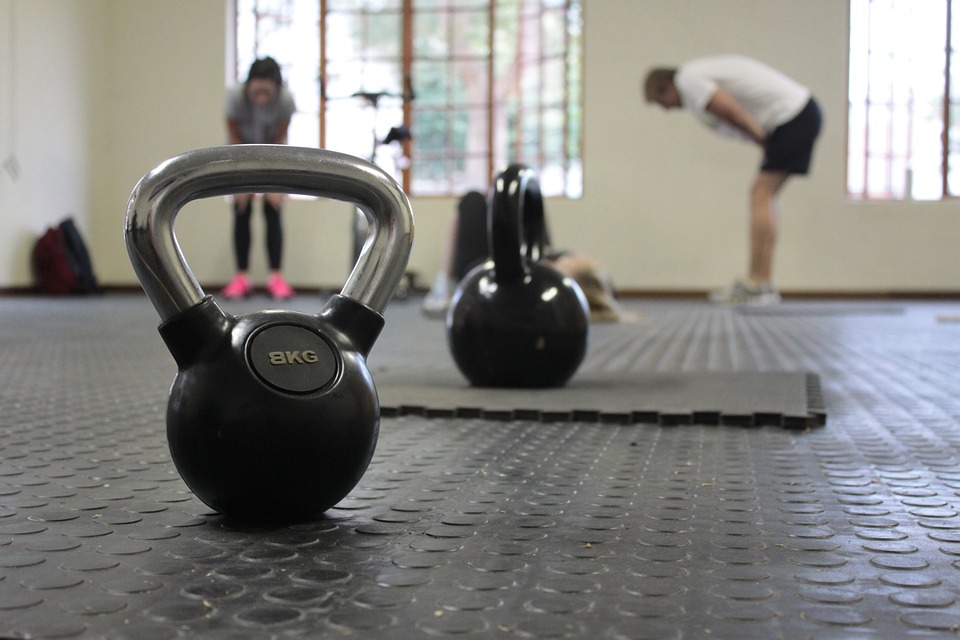
Stretching is often overlooked when it comes to fitness and overall well-being, but incorporating mindful stretching into your daily routine can have a profound impact on your physical and mental health. Not only does stretching help improve flexibility and reduce the risk of injury, but it can also enhance mental clarity and reduce stress. In this guide, we will explore the benefits of mindful stretching and provide tips on how to incorporate it into your daily routine.
The Benefits of Mindful Stretching
Stretching is not just about touching your toes or reaching for the sky. When done mindfully, stretching can have a wide range of benefits for both the body and mind. Some of the key benefits of mindful stretching include:
- Improved flexibility: Stretching helps to lengthen and elongate muscles, which can improve flexibility and range of motion.
- Reduced risk of injury: By improving flexibility, stretching can help reduce the risk of injury during physical activity.
- Enhanced mental clarity: Mindful stretching can help to focus the mind and reduce stress, leading to improved mental clarity and concentration.
- Improved posture: Stretching can help to correct imbalances in the body and improve posture, which can reduce the risk of back and neck pain.
Effective Stretching Exercises for Mindfulness

Here are some effective stretching exercises that can help you cultivate mindfulness and transform your body and mind:
1. Seated Forward Bend
Start by sitting on the floor with your legs extended in front of you. Inhale and lengthen your spine, then exhale as you hinge at the hips and fold forward. Keep your back straight and reach for your feet or shins. Hold for 30-60 seconds, breathing deeply and focusing on the sensation of the stretch in your hamstrings and lower back.
2. Cat-Cow Stretch
Begin on your hands and knees with your wrists directly under your shoulders and your knees under your hips. Inhale as you arch your back and lift your head and tailbone towards the ceiling (cow pose), then exhale as you round your back and tuck your chin towards your chest (cat pose). Move through the cat-cow stretch with your breath for 1-2 minutes, focusing on the movement of your spine.
3. Standing Forward Fold
Stand with your feet hip-width apart and hinge at the hips to fold forward, reaching for your toes or the floor. Keep a slight bend in your knees if needed. Hold for 30-60 seconds, breathing deeply and focusing on the stretch in your hamstrings and lower back. You can also sway from side to side or nod your head to release tension in your neck and shoulders.
4. Child’s Pose
Start on your hands and knees, then sit back on your heels and fold forward, reaching your arms out in front of you. Rest your forehead on the ground and take deep breaths into your back, feeling the stretch in your hips and shoulders. Hold for 1-2 minutes, focusing on the sensation of release and surrender in this pose.
How to Incorporate Mindful Stretching into Your Daily Routine
Now that we have established the benefits of mindful stretching, let’s explore how you can incorporate it into your daily routine. Here are some tips to help you get started:
1. Start Your Day with Stretching
Begin your day with a short stretching routine to wake up your body and mind. Focus on gentle stretches that target key muscle groups and help prepare you for the day ahead.
2. Take Stretch Breaks Throughout the Day
Throughout the day, take short breaks to stretch and release tension in your body. This can help prevent stiffness and improve your energy levels throughout the day.
3. Wind Down with Evening Stretching
End your day with a relaxing stretching routine to help unwind and prepare your body for restful sleep. Focus on gentle stretches that promote relaxation and calmness.
4. Combine Mindful Stretching with Other Mindfulness Practices
Enhance the benefits of mindful stretching by combining it with other mindfulness practices such as meditation, deep breathing, or journaling. This can help create a holistic approach to well-being and self-care.
Common Questions About Mindful Stretching

While mindful stretching can be practiced at any time, incorporating it into your daily routine can help you reap the full benefits of this powerful practice. Here are some tips for integrating mindful stretching into your daily routine:
1. How long should I stretch for?
The duration of your stretching routine will depend on your goals and individual needs. Aim to spend at least 10-15 minutes on stretching exercises, focusing on key muscle groups and areas of tension.
2. Can mindful stretching help with pain relief?
While mindful stretching can help reduce muscle tension and improve flexibility, it may also help alleviate pain in some cases. By tuning into your body’s sensations and adjusting your stretches accordingly, you can help release tension and promote healing in areas of discomfort.
3. Is mindful stretching suitable for beginners?
Yes, mindful stretching is suitable for beginners and can be adapted to suit your individual level of flexibility and comfort. Start with gentle stretches and gradually increase the intensity and duration of your practice as you become more comfortable.
4. How often should I practice mindful stretching?
Ideally, aim to practice mindful stretching at least 3-4 times per week to experience the full benefits of this practice. However, you can incorporate stretching into your daily routine as needed to help release tension and improve flexibility.
Conclusion
Mindful stretching is a powerful practice that can enhance flexibility, reduce the risk of injury, and improve mental clarity. By incorporating mindful stretching into your daily routine and focusing on your breath and body sensations, you can experience a wide range of benefits for both the body and mind. So, set aside time each day for stretching, listen to your body, and incorporate mindfulness techniques to unlock the power of mindful stretching.
Remember, consistency is key when it comes to reaping the benefits of mindful stretching. So, start incorporating stretching into your daily routine today and enjoy the physical and mental benefits it brings.