Let’s be honest, nobody dreams of spending their golden years struggling to get out of a chair or losing balance while reaching for a shelf. What most people want is simple: to stay active, independent, and confident in their own bodies. That’s exactly where functional fitness exercises for seniors come in.
These aren’t intimidating gym workouts or trendy routines meant for bodybuilders. Functional fitness focuses on movements that make daily life easier, standing up, bending, lifting, walking, and even playing with your grandkids. It’s about keeping the strength and balance that let you enjoy life without fear of falling or feeling limited.
According to the Centers for Disease Control and Prevention (CDC), regular physical activity helps older adults maintain independence and reduce the risk of chronic diseases, falls, and mobility loss. In other words, the more you move in ways that mimic real life, the better your body stays prepared for everyday challenges.
If you’ve ever asked yourself, “How can I stay strong and steady as I age?” the answer lies in practicing functional fitness. It helps you move better, feel more energized, and maintain the freedom to do what you love, at any age.
What Is Functional Fitness and Why It’s a Game-Changer for Older Adults
Functional fitness is all about training your body to handle real-life movements safely and efficiently. Instead of focusing only on one muscle at a time like traditional workouts, functional fitness combines strength, balance, flexibility, and coordination. You use several muscle groups together, just like you do in daily life.
Think of it this way, when you squat to pick something up, you’re not just using your legs. Your hips, core, and back all work together. Functional exercises mimic these natural movements, so you build the kind of strength that actually helps you in everyday activities.
This type of training can be especially transformative for older adults. As we age, we naturally lose muscle mass and flexibility, a process called sarcopenia. That’s why tasks that once felt easy, like climbing stairs or carrying groceries, can start to feel harder. Functional fitness slows this decline by improving muscle endurance and coordination.
A good example is a study published in the Journal of Aging and Physical Activity, which found that older adults who performed functional fitness training twice a week showed major improvements in balance, mobility, and overall quality of life within three months. These results prove that it’s never too late to regain strength and control over your body.
What makes this approach even better is its accessibility. You don’t need fancy machines or heavy weights. Many functional movements use just your body weight or simple tools like resistance bands or dumbbells. The goal isn’t to push your limits, it’s to build the kind of strength that supports real life.
When seniors adopt functional fitness as part of their routine, they don’t just exercise, they train their bodies to live better.
The Science Behind Functional Fitness for Seniors
Our bodies are built to move. But as we get older, several natural changes begin to challenge that ability. Muscles shrink, bones weaken, joints stiffen, and balance can become unpredictable. These changes can make simple tasks like bending, lifting, or reaching more difficult and even risky.
That’s where functional fitness exercises for seniors become powerful. They train your body the way it’s meant to move, keeping muscles strong, joints flexible, and reflexes sharp.
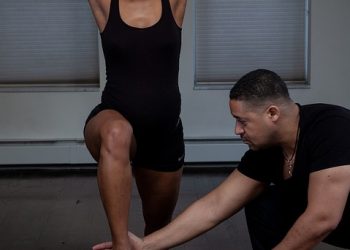
The science behind it is simple: functional exercises recruit multiple muscle groups at once, improving overall coordination and movement patterns. This helps the body stay efficient in handling real-life situations. For example, a lunge doesn’t just strengthen your legs, it also trains your balance, engages your core, and teaches your body to move in harmony.
Experts from the National Institute on Aging (NIA) emphasize that seniors who stay physically active experience fewer falls, recover faster from injuries, and have better cognitive function. Functional fitness plays a big role in that because it challenges both the body and the mind through purposeful movement.
Another key benefit is balance training. Falls are one of the leading causes of injury among older adults, but functional movements like step-ups, squats, and core exercises help improve stability. By training your body to respond naturally to shifts in weight or uneven ground, you reduce the risk of falling, and increase your confidence when moving around.
In addition, functional training helps maintain bone density through weight-bearing exercises, keeping the skeleton strong and resilient. It also supports joint health by promoting smooth, controlled movements that strengthen the muscles surrounding the joints without adding strain.
The best part? You don’t need to be an athlete to benefit. Even small, consistent efforts, like 20 to 30 minutes of functional movement three times a week, can bring visible results in balance, strength, and energy levels.
When you focus on how your body moves, not just how it looks, you start to notice meaningful changes in your posture, coordination, and confidence. That’s the magic of functional fitness: it prepares your body to live well, not just work out.
Top Functional Fitness Exercises for Seniors (With Simple Step-by-Step Guides)
Now that you know why functional fitness matters, let’s talk about how to put it into action. The great thing about functional training is that you don’t need a gym membership or expensive equipment. You can do most of these moves in your living room, using just your body weight or a sturdy chair.
Here are some of the most effective functional fitness exercises for seniors that strengthen your body, improve balance, and make daily life easier.
A. Chair Squats – Build Lower Body Strength Safely
Chair squats are one of the best exercises for older adults because they mimic the simple action of sitting and standing. They build leg and core strength, both essential for mobility and stability.
How to do it:
- Stand in front of a sturdy chair with your feet shoulder-width apart.
- Slowly bend your knees and lower your hips as if you’re about to sit down.
- Lightly touch the chair with your hips, then push through your heels to stand up tall.
- Repeat 8 to 12 times.
Tip: If you need support, hold onto the sides of the chair or a nearby table until your strength improves.
B. Step-Ups – Improve Balance and Coordination
Step-ups strengthen your legs and train your coordination, which helps when climbing stairs or getting into a car.
How to do it:
- Find a low, stable surface such as a step or sturdy platform.
- Step up with your right foot, then bring your left foot to meet it.
- Step down carefully, leading with your right foot again.
- Repeat 10 to 15 times, then switch legs.
Tip: Use a railing or wall for support if you need extra balance. Over time, increase the step height or add light hand weights.
C. Wall Push-Ups – Strengthen Your Arms and Chest
Traditional push-ups can be hard on the wrists and shoulders, but wall push-ups are gentle while still building upper body strength.
How to do it:
- Stand facing a wall, about an arm’s length away.
- Place your hands flat against the wall at shoulder height.
- Bend your elbows and lean your body toward the wall.
- Push yourself back to the starting position.
- Repeat 8 to 15 times.
Tip: Keep your body straight, and engage your core as you move to avoid arching your back.
D. Standing Knee Lifts – Boost Core Strength and Balance
This simple exercise improves balance, strengthens the hips, and trains your core muscles.
How to do it:
- Stand tall behind a chair for support.
- Slowly lift one knee toward your chest, then lower it back down.
- Alternate legs for 10 to 15 repetitions each.
Tip: Keep your movements controlled and steady. You’ll notice your balance improving after just a few sessions.
E. Farmer’s Carry – Build Everyday Strength
The farmer’s carry is incredibly practical, it trains your grip, shoulders, and posture while mimicking everyday tasks like carrying groceries.
How to do it:
- Hold a light dumbbell or water bottle in each hand.
- Stand tall, with your shoulders back and core engaged.
- Walk 20 to 30 steps slowly, keeping your head up.
- Rest, then repeat 2–3 times.
Tip: Start with light weights and increase gradually as your endurance grows.
F. Bird Dog – Strengthen Your Back and Improve Stability
This gentle core exercise builds stability and protects your spine, perfect for seniors with lower back stiffness.
How to do it:
- Get on your hands and knees on a mat.
- Extend your right arm forward and your left leg backward at the same time.
- Hold for a few seconds, then return to the starting position.
- Switch sides and repeat 8 to 10 times per side.
Tip: Keep your movements slow and steady. Focus on balance and control rather than speed.
These exercises may seem simple, but when practiced regularly, they improve strength, balance, and flexibility in meaningful ways. Even 20 minutes a day can make daily movements, like standing up or walking, feel easier and more natural.
How to Build a Safe Functional Fitness Routine for Seniors
Starting a new exercise routine can feel intimidating, but it doesn’t have to be. The key is to focus on progress, not perfection. Functional fitness is all about consistency and listening to your body.
Here’s how to build a routine that keeps you safe, strong, and motivated:
Warm Up First
Begin with gentle movements to get your blood flowing and joints ready. Try shoulder rolls, ankle circles, or marching in place for 3–5 minutes. A proper warm-up helps prevent stiffness and injury.
Plan Short, Manageable Sessions
You don’t need hour-long workouts. Aim for 20 to 30 minutes of movement, three to four days a week. That’s enough to see real progress without overdoing it.
Focus on Core and Balance
Include at least one core exercise and one balance movement in every session. Strong core muscles improve posture and reduce back pain, while balance exercises help prevent falls.
Prioritize Rest and Recovery
Give your body time to recover. Rest days are when muscles rebuild and grow stronger. Gentle stretching or a slow walk on off days keeps you active without strain.
Check with a Professional
If you have any chronic conditions, injuries, or mobility concerns, speak with your doctor or a certified trainer before starting. They can help tailor your routine to your health needs.
Sample Weekly Functional Fitness Plan
- Monday: Chair squats, wall push-ups, standing knee lifts
- Wednesday: Step-ups, bird dog, gentle stretching
- Friday: Farmer’s carry, chair squats, balance holds
- Sunday: Light walk or yoga for flexibility
Over time, you’ll notice improvements in strength, posture, and confidence. You may even start moving more freely in everyday activities, a sure sign your functional fitness training is working.
Functional Fitness Equipment Seniors Can Use at Home
You don’t need fancy machines to stay fit. In fact, many of the best functional fitness exercises for seniors can be done using simple household items. Still, a few affordable tools can make your workouts more comfortable and effective.
Here are some senior-friendly options:
Resistance Bands
Light and easy to use, resistance bands are perfect for building strength without heavy weights. They also help with flexibility and can be used for both upper and lower body exercises.
Light Dumbbells
Choose weights between 1 and 5 pounds to start. These are great for improving arm and shoulder strength during exercises like the farmer’s carry or bicep curls.
Stability Ball
Excellent for core work and posture exercises. You can use it for gentle stretches or seated balance drills.
Foam Roller
Perfect for easing muscle tension and improving flexibility after a workout. Rolling your legs, back, or arms for a few minutes can help reduce soreness.
Balance Board
This tool adds a fun challenge to your workouts, improving coordination and ankle strength. Always hold onto a wall or chair when using it.
When choosing any fitness equipment, look for stability and comfort. Handles should have good grip, surfaces should be non-slip, and weights should feel easy to control.
You can find these tools online or in sporting goods stores, often at very reasonable prices. For those who prefer guidance, some companies, like SilverSneakers or AARP Fitness Programs, offer affordable kits and online sessions specifically designed for older adults.
Remember, equipment is just an aid. The real progress comes from your consistency and effort.
Real-Life Success Stories: Seniors Thriving with Functional Fitness
One of the most inspiring things about functional fitness exercises for seniors is how quickly they can transform daily life. Real people all over the world are regaining their independence and confidence simply by committing to small, consistent movement routines.
Take Margaret, a 72-year-old retired teacher from Texas. After years of lower back pain, she felt nervous about bending, lifting, or even going for walks. Her daughter encouraged her to try a local senior functional fitness class. Within just eight weeks, Margaret noticed she could stand longer in the kitchen and walk around the neighborhood without discomfort. “I feel like I’ve gotten my body back,” she said.
Then there’s David, 68, who used to struggle with balance after a mild stroke. His physical therapist introduced him to gentle chair squats, side steps, and balance exercises. Now, not only has he regained his stability, but he also hikes with his grandchildren on weekends.
Stories like these aren’t rare, they’re happening every day. According to the National Institute on Aging, seniors who stay physically active have higher energy levels, better mood, and greater independence compared to those who remain sedentary. Functional training plays a huge part in that, because it directly supports everyday movements like standing, walking, reaching, and lifting.
The takeaway is simple: You don’t need to be an athlete or spend hours in a gym. You just need to start. Even 15 minutes of functional movement a few times a week can spark noticeable improvement. It’s not about pushing harder, it’s about moving smarter.
Common Mistakes Seniors Should Avoid When Exercising
As beneficial as exercise is, it’s also easy to make small mistakes that can hold you back or cause unnecessary strain. Awareness is the first step to preventing them. Here are a few things older adults should keep in mind when starting or maintaining their functional fitness routine.
Skipping Warm-Ups
Jumping straight into exercise without a warm-up is one of the most common errors. Warming up helps loosen your joints, raise your heart rate, and prepare your muscles for movement. Even a few minutes of gentle marching, shoulder rolls, or arm circles can make a big difference.
Overdoing It
Some people get so motivated that they push themselves too hard too soon. The goal of functional fitness isn’t exhaustion, it’s steady progress. Start with fewer repetitions, and increase gradually as your body adapts.
Ignoring Balance and Flexibility
Many seniors focus only on strength, forgetting that balance and flexibility are just as important. Adding simple balance moves or stretches to your workout can reduce stiffness and help prevent falls.
Not Listening to Your Body
Discomfort is normal when muscles are working, but sharp pain is not. If something hurts, stop and rest. Pain is your body’s way of signaling that you need to adjust your form or take a break.
Skipping Rest and Hydration
Resting allows your muscles to recover and grow stronger. Pair your workouts with plenty of water and nutritious foods to keep your body fueled and hydrated.
Avoiding these mistakes keeps your workouts effective and safe. Remember, fitness at any age is a marathon, not a sprint. Consistency will always deliver better results than intensity.
Combining Functional Fitness with Nutrition and Lifestyle Habits
Exercise alone can do wonders, but when paired with good nutrition and lifestyle habits, the results multiply. Functional fitness exercises for seniors work best when your body is supported by the right fuel, rest, and mindset.
Eat for Strength and Energy
Muscles need protein to repair and grow stronger. Include lean meats, fish, beans, eggs, or dairy in your meals. Also, add colorful fruits and vegetables for vitamins and antioxidants that protect your cells and joints. Whole grains like oatmeal or brown rice provide steady energy for your workouts.
The Harvard T.H. Chan School of Public Health recommends seniors get enough calcium and vitamin D for bone health, through foods like yogurt, fortified milk, and leafy greens, to prevent fractures and maintain mobility.
Stay Hydrated
Water keeps your joints lubricated and your muscles working efficiently. Many older adults don’t feel thirsty as often, so make it a habit to sip water throughout the day, even when you don’t feel parched.
Prioritize Sleep and Stress Management
Your body rebuilds and heals while you sleep. Aim for seven to eight hours each night. Managing stress is just as important, activities like walking outdoors, gentle yoga, or meditation can calm your mind and support your overall health.
Keep Moving Beyond Exercise
Functional fitness doesn’t have to be limited to workouts. Gardening, walking the dog, or even dancing in your living room all count as movement. The goal is to stay active throughout the day, not just during structured exercise time.
Social Support Matters
Joining a group class, partnering with a friend, or even connecting with an online senior fitness community can boost motivation. Staying accountable to others makes movement more enjoyable and sustainable.
By combining smart exercise with balanced nutrition and an active lifestyle, you’ll notice improvements not just in strength and flexibility, but also in mood, sleep, and overall energy. It’s about creating a rhythm that keeps your body and mind thriving together.
How to Stay Motivated and Make Functional Fitness a Lifestyle
Staying consistent with exercise is one of the biggest challenges for anyone, but especially for older adults balancing health changes, family life, and energy levels. The truth is, motivation doesn’t always show up on its own, you build it through small wins.
Here’s how to make functional fitness exercises for seniors a lasting part of your lifestyle instead of a passing habit.
Start with Small, Realistic Goals
If you aim too high too soon, it’s easy to feel overwhelmed. Instead of promising yourself an hour-long workout every day, start with 10 or 15 minutes, three times a week. Celebrate small improvements like standing up more easily or walking farther without tiring out. Those everyday wins are powerful motivators.
Track Your Progress
Keep a simple fitness journal or use a phone app to note what exercises you do and how you feel afterward. Seeing progress in writing, like squatting deeper or walking longer, is a great confidence boost.
Make It Social
Working out with a friend or joining a senior fitness group can make exercise feel fun instead of like a chore. Sharing progress and laughter keeps you accountable and lifts your spirits.
Find Joy in the Movement
Choose activities that you actually enjoy. If you love gardening, dancing, or swimming, include those as part of your movement routine. The more you enjoy what you do, the easier it is to stick with it.
Reward Yourself
After completing a week of workouts, treat yourself to something small, maybe a nice meal, a relaxing bath, or a favorite book. Positive reinforcement keeps motivation alive.
Remember, the goal of functional fitness isn’t perfection; it’s progress. Every stretch, squat, and step adds up. With time, consistency turns movement into an effortless part of your daily rhythm, something you look forward to rather than feel obligated to do.
Professional Programs and Online Classes to Explore
If you prefer guided workouts or need a little extra structure, there are plenty of safe and well-designed functional fitness programs for seniors you can try, both in person and online. These programs focus on gentle, practical movement that adapts to your abilities and comfort level.
SilverSneakers
One of the most popular fitness programs for older adults in the United States, SilverSneakers offers free or low-cost classes through many health insurance plans. Their programs include balance, strength, and flexibility training tailored to different fitness levels.
AARP Fitness Online
AARP provides online workouts and video guides specifically designed for seniors. You can follow along at home with no equipment required.
Local Community Centers
Many community centers and recreation clubs host senior exercise classes focused on low-impact functional training, yoga, and water aerobics. These classes not only build fitness but also create a strong sense of community.
Personal Trainers Specializing in Senior Fitness
If you prefer one-on-one guidance, consider hiring a certified trainer with experience in senior health. Look for professionals with credentials from organizations like the National Academy of Sports Medicine (NASM) or American Council on Exercise (ACE).
A trainer can tailor each session to your physical needs, ensuring proper form, safety, and gradual progress. This option can be especially helpful if you’re managing arthritis, balance issues, or previous injuries.
Online Functional Fitness Channels
If you’re tech-savvy, YouTube has several senior-friendly channels led by certified instructors. Search for “functional fitness for seniors at home,” and you’ll find countless free options. Just make sure the instructor has credible fitness certifications and encourages modifications for safety.
Exploring these programs not only helps you learn proper technique but also keeps workouts fresh and exciting, which is key for long-term consistency.
Final Thoughts – It’s Never Too Late to Move Better and Live Fully
Aging doesn’t mean slowing down, it means moving smarter. Functional fitness gives you the tools to stay independent, strong, and confident in your body for years to come. It’s not about chasing youth; it’s about protecting your freedom to do the things you love.
Whether you’re 55 or 85, your body is capable of growth and change. Every time you practice functional fitness exercises for seniors, you’re investing in your strength, balance, and joy. You’re choosing to live with energy instead of limitation.
Start small, stay patient, and keep showing up. Even ten minutes of movement can change how you feel throughout the day. You’ll soon notice you’re standing taller, moving with more ease, and feeling a renewed sense of confidence in everything you do.
So the next time you rise from a chair or carry a bag of groceries, take a moment to smile, you’re not just doing a chore, you’re proving that your body still works beautifully when you care for it.
As the National Institute on Aging reminds us, staying active is one of the most powerful ways to protect your health, mood, and independence as you age. Functional fitness helps you do exactly that, one thoughtful movement at a time.
Keep moving, keep smiling, and remember: your best years aren’t behind you, they’re still in motion.