Are you looking to take your fitness to the next level? Want to increase your explosive strength and speed? Look no further than plyometric training. Plyometric exercises are a powerful way to improve your athletic performance by increasing your power, speed, and agility. In this article, we will explore some of the top plyometric workout routines that will help you unleash your power and reach your fitness goals.
What is Plyometric Training?
Plyometric training, also known as jump training or plyos, is a type of exercise that involves explosive movements to develop power, speed, and agility. Plyometric exercises typically involve jumping, hopping, and bounding movements that require the muscles to exert maximum force in a short amount of time. These exercises help to improve muscle strength, power, and coordination, making them an excellent choice for athletes and fitness enthusiasts looking to enhance their performance.
Benefits of Plyometric Training
There are many benefits to incorporating plyometric training into your workout routine. Some of the key benefits include:
- Improved explosive strength
- Increased speed and agility
- Enhanced athletic performance
- Greater power output
- Improved coordination and balance
By adding plyometric exercises to your training program, you can unlock your full potential and take your fitness to the next level.
Top Plyometric Workouts
Now that you understand the benefits of plyometric training, let’s explore some of the top plyometric workout routines that will help you unleash your power and improve your explosive strength and speed:
1. Jump Squats

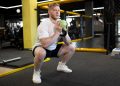
Jump squats are a great plyometric exercise for developing lower body strength and power. To perform jump squats, start in a squat position with your feet hip-width apart. Lower yourself into a squat position, then explode upwards, jumping as high as you can. Land softly back in the squat position and repeat for the desired number of reps.
2. Box Jumps

Box jumps are another effective plyometric exercise for improving explosive strength and power in the lower body. To perform box jumps, stand in front of a sturdy box or platform. Squat down, then explode upwards, jumping onto the box with both feet. Step down and repeat for the desired number of reps.
3. Burpees

Burpees are a full-body plyometric exercise that will help improve your cardiovascular fitness, strength, and agility. To perform a burpee, start in a standing position, then squat down and place your hands on the ground. Jump your feet back into a plank position, perform a push-up, then jump your feet back to the squat position and explode upwards into a jump. Repeat for the desired number of reps.
4. Plyometric Push-ups

Plyometric push-ups are a challenging upper body exercise that will help improve your explosive strength and power in the chest, shoulders, and triceps. To perform plyometric push-ups, start in a push-up position with your hands shoulder-width apart. Lower yourself into a push-up, then explode upwards, clapping your hands together before landing back in the push-up position. Repeat for the desired number of reps.
5. Tuck Jumps

Tuck jumps are a great plyometric exercise for improving lower body power and explosiveness. To perform tuck jumps, start in a standing position, then jump as high as you can while bringing your knees up towards your chest. Land softly and repeat for the desired number of reps.
Sample Plyometric Workout Routine
Here is a sample plyometric workout routine that you can try to boost your strength and speed:
Warm-Up: 5-10 minutes of dynamic stretching and light cardio
Exercise 1: Jump Squats
3 sets of 15 reps
Exercise 2: Box Jumps
3 sets of 10 reps
Exercise 3: Burpees
3 sets of 12 reps
Exercise 4: Lateral Jumps
3 sets of 20 reps
Exercise 5: Depth Jumps
3 sets of 8 reps
Cool-Down: 5-10 minutes of stretching and foam rolling
How to Incorporate Plyometric Training into Your Workout Routine
Now that you have a better understanding of some of the top plyometric workout routines, you may be wondering how to incorporate plyometric training into your existing workout routine. Here are some tips to help you get started:
- Start slowly and focus on proper form to prevent injury.
- Incorporate plyometric exercises into your warm-up or as a standalone workout.
- Gradually increase the intensity and volume of your plyometric workouts as you build strength and endurance.
- Combine plyometric exercises with strength training and cardio for a well-rounded workout program.
Tips for Success
When performing plyometric exercises, it’s important to focus on proper form and technique to maximize the benefits and reduce the risk of injury. Here are some tips to help you get the most out of your plyometric workout routines:
- Warm up thoroughly before starting your plyometric workout to prepare your muscles for the high-intensity movements.
- Start with lower box heights or shorter jump distances and gradually increase the intensity as you build strength and power.
- Land softly and quietly to absorb the impact and reduce stress on your joints.
- Rest for 1-2 minutes between sets to allow for adequate recovery and maximize performance.
- Listen to your body and stop if you experience any pain or discomfort during the exercises.
Conclusion
Plyometric training is a powerful way to improve your explosive strength and speed, making it an excellent choice for athletes and fitness enthusiasts looking to take their performance to the next level. By incorporating plyometric exercises into your workout routine, you can unlock your full potential and reach your fitness goals faster than ever before. So why wait? Unleash your power with these top plyometric workout routines and see the results for yourself.
[ad_2]