


In recent years, the shift towards plant-based diets has gained popularity as more people recognize the health and environmental benefits of consuming fewer animal products. One concern that often arises when transitioning to a plant-based diet is ensuring an adequate intake of protein. Protein is essential for building and repairing tissues, as well as supporting a strong immune system and healthy metabolism. Fortunately, there are plenty of plant-based sources of protein that can help you meet your daily requirements while reaping the benefits of a plant-based lifestyle.
13 Top Plant-Based Protein Sources for Optimal Health

In this comprehensive guide, we will explore the top plant-based protein sources for optimal health and provide you with a variety of options to incorporate into your diet. From legumes and nuts to grains and vegetables, there are plenty of delicious and nutritious plant-based protein sources to choose from.
1. Legumes
Legumes are an excellent source of plant-based protein, as well as fiber, vitamins, and minerals. Some of the most popular legumes include beans, lentils, chickpeas, and peas. These versatile foods can be used in a variety of dishes, from soups and stews to salads and dips. One cup of cooked lentils, for example, provides around 18 grams of protein, making them a great addition to any plant-based diet.
2. Nuts and Seeds
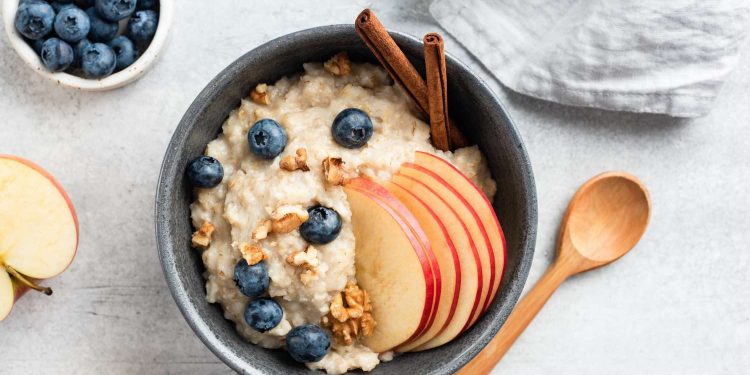
Nuts and seeds are not only delicious but also packed with protein and healthy fats. Almonds, walnuts, chia seeds, and flaxseeds are just a few examples of nutrient-dense nuts and seeds that can be easily incorporated into your meals and snacks. Adding a handful of nuts to your morning oatmeal or sprinkling seeds onto a salad can significantly boost your protein intake.
3. Quinoa
Quinoa is a complete protein, meaning it contains all nine essential amino acids that the body cannot produce on its own. This ancient grain is also gluten-free and rich in fiber, making it a nutritious and versatile addition to any plant-based diet. Quinoa can be used as a base for salads, soups, and stir-fries, providing around 8 grams of protein per cooked cup.
4. Tofu and Tempeh
Tofu and tempeh are soy-based products that are rich in protein and can be used as meat substitutes in a variety of dishes. Tofu is made from curdled soy milk and has a soft texture, while tempeh is made from fermented soybeans and has a firmer texture. Both tofu and tempeh are excellent sources of plant-based protein, with around 10 grams per 3-ounce serving.
5. Seitan
Seitan, also known as wheat meat, is made from gluten, the protein found in wheat. This meat substitute is high in protein and has a chewy texture that makes it a popular choice for dishes like stir-fries, sandwiches, and kebabs. One 3-ounce serving of seitan provides around 21 grams of protein, making it one of the most protein-dense plant-based foods available.
6. Edamame
Edamame are young soybeans that are harvested before they fully mature. These green pods are a popular snack and appetizer in Asian cuisine, providing around 17 grams of protein per cooked cup. Edamame can be steamed, boiled, or roasted and enjoyed on their own or added to salads, stir-fries, and soups.
7. Lentils
Lentils are a versatile legume that come in various colors, including green, brown, and red. These tiny legumes are rich in protein, fiber, and antioxidants, making them a nutritious addition to any plant-based diet. One cup of cooked lentils provides around 18 grams of protein, as well as a good source of iron, folate, and potassium.
8. Chickpeas
Chickpeas, also known as garbanzo beans, are a staple in Mediterranean and Middle Eastern cuisine. These nutty legumes are high in protein, fiber, and folate, making them a healthy and filling ingredient for salads, soups, and dips. One cup of cooked chickpeas provides around 15 grams of protein, along with essential nutrients like manganese and copper.
9. Hemp Seeds
Hemp seeds are a nutritional powerhouse, packed with protein, omega-3 fatty acids, and essential minerals like magnesium and zinc. These tiny seeds have a mild, nutty flavor and can be sprinkled on salads, yogurt, or oatmeal for a boost of protein and nutrients. Just three tablespoons of hemp seeds contain around 10 grams of protein, making them an excellent plant-based protein source.
10. Black Beans
Black beans are a popular legume in Latin American cuisine and are prized for their rich flavor and versatility. These beans are high in protein, fiber, and antioxidants, making them a nutritious addition to soups, stews, and salads. One cup of cooked black beans provides around 15 grams of protein, as well as a good source of iron, potassium, and magnesium.
11. Almonds
Almonds are a nutritious nut that is high in protein, fiber, healthy fats, and essential nutrients like vitamin E, magnesium, and calcium. They can be enjoyed as a snack, added to salads, yogurt, or baked goods, or used as a topping for oatmeal or smoothie bowls. Almonds are also a great source of antioxidants, which can help protect the body from oxidative stress and inflammation.
12. Spirulina
Spirulina is a blue-green algae that is high in protein, vitamins, minerals, and antioxidants. It is considered a superfood due to its nutrient-dense profile and health benefits. Spirulina can be added to smoothies, juices, or baked goods to boost their protein content and provide a nutritional boost. It is also a great source of chlorophyll, which can help detoxify the body and support overall health.
13. Peas
Peas are a great plant-based protein source that are also high in fiber and antioxidants. One cup of cooked peas contains around 9 grams of protein. Peas can be added to soups, salads, and pasta dishes for a nutritious boost.
Incorporating Plant-Based Protein into Your Diet
1. Start Slow
If you are new to plant-based protein, start by incorporating one plant-based protein source into your meals each day. Gradually increase the variety of plant-based protein sources to ensure you are meeting your nutritional needs.
2. Experiment with Recipes
Get creative in the kitchen and experiment with different plant-based protein sources in your favorite recipes. Try adding lentils to your pasta sauce, topping your salad with roasted chickpeas, or using tofu in place of meat in stir-fries.
3. Meal Prep
Prepping meals in advance can help you stay on track with your plant-based protein intake. Cook a batch of quinoa, roast some chickpeas, and marinate tofu or tempeh for quick and easy meals throughout the week.
4. Snack Smart
Keep a stash of nuts, seeds, and edamame on hand for a quick and convenient plant-based protein snack. Pair them with fruits or veggies for a balanced and satisfying snack.
Conclusion
Plant-based protein offers numerous health benefits and is a sustainable choice for both our bodies and the planet. By incorporating a variety of plant-based protein sources into your diet, you can ensure you are meeting your nutritional needs while enjoying delicious and nutritious meals. Experiment with different recipes, meal prep for convenience, and snack smart to unlock the power of plant-based protein for a healthier lifestyle.
Remember, small changes can lead to significant improvements in your overall well-being. Start incorporating plant-based protein into your meals today and experience the benefits of a healthier and more sustainable diet.
In conclusion, incorporating a variety of plant-based protein sources into your diet can help you meet your daily protein requirements while reaping the health benefits of a plant-based lifestyle. From legumes and nuts to grains and vegetables, there are plenty of delicious and nutritious plant-based options to choose from. Experiment with different ingredients and recipes to find what works best for you, and enjoy the many benefits of a plant-based diet for optimal health and well-being.


