


Ever feel like you’re doing everything right, eating regularly, exercising, getting rest but still running on low energy or dealing with nagging health issues? The problem might not be how much you eat, but what you eat. That’s where nutrient-dense foods come in.
Nutrient-dense foods are packed with essential vitamins, minerals, antioxidants, and fiber, without the added sugars, unhealthy fats, and empty calories. By choosing these whole, powerful foods, you can fuel your body better, boost immunity, enhance focus, and build a strong foundation for lifelong health and wellness.
What Are Nutrient-Dense Foods?
Nutrient-dense foods are whole foods that deliver a high concentration of essential vitamins, minerals, antioxidants, fiber, and healthy fats with relatively few calories. Unlike processed options filled with added sugars, unhealthy oils, and refined carbs, nutrient-dense foods give your body more of what it needs to function at its best.
These powerhouse foods are often naturally low in added sugars and unhealthy fats while being rich in protective compounds that support long-term health. They are the opposite of empty calorie foods like sugary snacks, soda, and fried fast food, which provide energy but very little nutritional value.
Examples of Nutrient-Dense Foods Include:

Leafy greens such as kale, spinach, arugula, and Swiss chard – loaded with iron, calcium, fiber, and disease-fighting antioxidants
Colorful fruits like berries, oranges, and pomegranates – high in vitamin C, flavonoids, and fiber
Whole grains like quinoa, oats, and brown rice – excellent sources of energy, fiber, and B vitamins
Lean proteins including chicken breast, turkey, fish, legumes, and eggs – essential for muscle repair and metabolic health
Healthy fats from nuts, seeds, olives, and avocados – support brain health, hormone production, and nutrient absorption
Incorporating more nutrient-dense foods into your meals means making smart, healthy food choices that fuel your body and support lasting wellness.
Health Benefits of Nutrient-Dense Foods
Making nutrient-dense foods a foundation of your daily eating habits can lead to significant improvements in how you feel, look, and function. Here are several science-backed benefits:
Sustained energy levels: Complex carbohydrates and nutrient-rich proteins keep blood sugar levels stable and energy consistent throughout the day.
Sharper brain function: Foods rich in omega-3 fatty acids, antioxidants, and B vitamins help support memory, focus, and mental clarity.
Stronger immunity: Nutrients like vitamin C, zinc, and selenium strengthen your immune defenses and reduce your risk of infections.
Better digestion and gut health: High-fiber foods like vegetables, fruits, and legumes support a healthy gut microbiome and regular bowel movements.
Healthy weight management: Nutrient-dense meals are more filling, helping to curb cravings and control calorie intake naturally.
Whether your goal is to lose weight, boost energy, or protect your long-term health, prioritizing nutrient-rich foods can help you achieve it.
Top Nutrient-Dense Foods to Add to Your Diet
Want to get started with eating more whole, nutrient-rich foods? Here’s a list of some of the most nutrient-packed options to include in your daily meals:
Leafy greens (like spinach, kale, and collards): rich in folate, vitamin K, and magnesium
Berries (blueberries, raspberries, strawberries): high in fiber, antioxidants, and vitamin C
Salmon and other fatty fish: packed with omega-3s and protein to support heart and brain health
Eggs: a complete protein source with essential amino acids and brain-boosting choline
Sweet potatoes: a complex carbohydrate loaded with beta-carotene, fiber, and potassium
Avocados: full of monounsaturated fats, potassium, and anti-inflammatory compounds
Quinoa and chickpeas: plant-based proteins that also supply fiber, iron, and folate
These foods can be rotated into breakfasts, lunches, dinners, and snacks to help you meet your daily nutrition needs while keeping your meals enjoyable and satisfying.
How to Build Meals Around Nutrient-Dense Foods
Creating nutrient-dense meals doesn’t require complex recipes or gourmet techniques—it simply starts with balance and smart choices. The goal is to build meals that fuel your body with maximum nutrition and long-lasting energy.
Here’s a simple approach to help you get started:
Fill half your plate with vegetables: Prioritize colorful, non-starchy vegetables such as broccoli, bell peppers, carrots, spinach, and kale. These are packed with vitamins, fiber, and antioxidants.
Include a quality protein source: Think chicken breast, turkey, fish, tofu, lentils, or eggs. Protein helps repair tissues, build muscle, and keep you feeling satisfied.
Add complex carbohydrates: Choose nutrient-rich carbs like quinoa, sweet potatoes, brown rice, or whole oats. These offer sustained energy and support healthy digestion.
Incorporate healthy fats: Add slices of avocado, a sprinkle of chia seeds, a handful of nuts, or a drizzle of olive oil. Healthy fats support brain health and improve nutrient absorption.
Enhance with herbs and spices: Instead of relying on processed sauces or dressings, use fresh herbs and natural spices. They add flavor without unnecessary sodium or sugar—and many offer additional anti-inflammatory benefits.
This simple structure makes it easy to build balanced, nutrient-dense meals every day.
Clean Eating and Nutrient-Dense Living
Clean eating naturally complements a diet focused on nutrient-dense foods. It encourages eating whole, unprocessed foods in their most natural form—making it easier to get the vitamins, minerals, and antioxidants your body craves.
Here’s how to live clean while eating nutrient-rich meals:
Read ingredient labels carefully: Aim for products with five ingredients or fewer. Avoid items with artificial additives, added sugars, and preservatives.
Cook at home often: This gives you full control over what goes into your meals. You can cook with whole ingredients and avoid hidden sodium or unhealthy fats found in takeout.
Shop for single-ingredient foods: Focus on stocking up on real foods like apples, spinach, salmon, and rolled oats. These staples form the foundation of a clean, nutrient-dense lifestyle.
Plan ahead: Weekly meal planning can help you stay organized and consistent. Having a stocked pantry and fridge makes it easier to avoid processed convenience foods.
Clean eating is more than a trend—it’s a long-term commitment to fueling your body the right way.
Simple Tips for Transitioning to Nutrient-Dense Foods
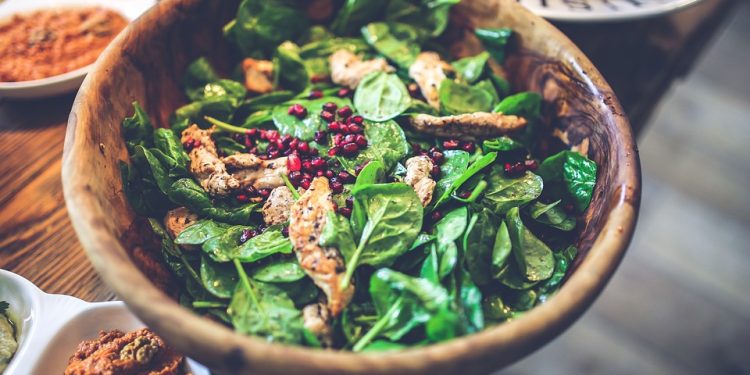
Shifting to a nutrient-dense lifestyle doesn’t have to feel overwhelming. With small, consistent changes, you can develop healthy eating habits that stick.
Try these practical tips:
Upgrade one meal at a time: Start with breakfast—swap sugary cereals for a veggie omelet, overnight oats, or a protein-packed smoothie.
Snack smarter: Replace processed snacks with whole-food options like raw nuts, apple slices with almond butter, or Greek yogurt.
Use the “add-in” method: Don’t try to eliminate everything at once. Instead, add a handful of greens to your pasta or throw berries into your yogurt.
Shop the perimeter of the store: That’s where you’ll find produce, lean meats, eggs, and dairy. Avoid the center aisles filled with processed foods.
Hydrate with purpose: Choose water, herbal teas, or naturally flavored drinks instead of sugary beverages. Proper hydration improves how your body absorbs nutrients.
Transitioning to a nutrient-rich lifestyle takes time—but each small change builds momentum toward lasting wellness.
Frequently Asked Questions About Nutrient-Dense Foods
Q1: Are nutrient-dense foods only for people trying to lose weight?
No. Nutrient-dense foods are essential for everyone, not just those focused on weight loss. They fuel your body with the vitamins, minerals, and antioxidants it needs for energy, immune support, brain function, and long-term wellness.
Q2: Can I still enjoy my favorite foods while eating nutrient-dense meals?
Yes, absolutely. A healthy eating plan is about balance, not restriction. You can still enjoy your favorite treats occasionally—just make nutrient-rich foods the foundation of your meals most of the time.
Q3: What are the most nutrient-dense vegetables I should eat more often?
Vegetables like spinach, kale, broccoli, Swiss chard, and bell peppers are some of the most nutrient-dense options. They’re packed with fiber, antioxidants, and essential vitamins that support your body’s daily needs.
Q4: How do I get enough nutrients on a plant-based diet?
Plant-based diets can be highly nutritious when well planned. Include a variety of legumes, whole grains, nuts, seeds, leafy greens, and colorful vegetables. You may need to supplement with vitamin B12, iron, or omega-3s depending on your specific diet and health needs.
Q5: How quickly will I feel the benefits of switching to nutrient-dense foods?
Many people notice improved energy, digestion, and mental clarity within one to two weeks. Over time, consistent nutrient-dense eating contributes to stronger immunity, stable mood, weight balance, and reduced risk of chronic disease.
Transform Your Health with Nutrient-Dense Foods
Eating nutrient-dense foods isn’t about restriction—it’s about abundance. It’s about filling your plate with vibrant, whole ingredients that help your body function at its best. Whether you want more energy, a stronger immune system, or better long-term health, it all starts with what you eat.
Start small. Be consistent. Celebrate the progress.
You don’t need to change everything overnight, just one nutrient-packed meal at a time can transform your health.


