
Yoga Workout is not just a physical exercise; it is a holistic practice that nurtures the mind, body, and soul. It is a powerful tool for healing, rejuvenating, and restoring balance to our lives. Whether you are a beginner or an experienced yogi, incorporating a recovery routine into your practice can help you revitalize and restore after a challenging workout. In this ultimate Yoga Routine for Post-Workout Healing, we will explore the ultimate yoga workout recovery routine to help you recover faster, prevent injury, and enhance your overall well-being.
The Importance of Recovery With Yoga
Recovery is an essential component of any workout routine, including yoga. It is during the recovery phase that our bodies repair and rebuild muscle tissue, replenish energy stores, and adapt to the stress of the workout. Without proper recovery, we are more susceptible to injury, burnout, and fatigue. By incorporating a recovery routine into your yoga practice, you can enhance your performance, prevent injury, and promote overall wellness.
Key Components of a Yoga Workout Recovery Routine

A yoga workout recovery routine should include a combination of gentle stretches, restorative poses, breathwork, and meditation. These components work together to promote relaxation, release tension, improve flexibility, and restore balance to the body and mind. Here are some key components to consider when creating your own recovery routine:
Gentle Stretches
After a challenging workout, it is important to gently stretch the muscles to release tension, improve flexibility, and promote circulation. Gentle stretches such as forward folds, side stretches, and hip openers can help release tightness in the muscles and joints, allowing for greater mobility and range of motion.
Restorative Poses
Restorative poses are designed to support the body in a state of relaxation and release. These poses typically involve the use of props such as blankets, bolsters, and blocks to provide support and comfort. Restorative poses such as supported child’s pose, reclining bound angle pose, and legs up the wall pose can help calm the nervous system, reduce stress, and promote deep relaxation.
Breathwork
Breathwork, or pranayama, is an essential component of any yoga practice. Deep breathing techniques can help calm the mind, reduce stress, and promote relaxation. Incorporating breathwork into your recovery routine can help you connect with your breath, regulate your energy levels, and promote a sense of inner peace and calm.
Meditation
Meditation is a powerful tool for cultivating mindfulness, awareness, and presence. Taking a few moments to sit in stillness and quiet the mind can help you release tension, reduce anxiety, and promote a sense of inner peace. Meditation can also help you connect with your inner wisdom, cultivate self-awareness, and promote overall well-being.
Sample Yoga Workout Recovery Routine
Here is a sample yoga workout recovery routine that you can incorporate into your practice:
1. Child’s Pose

Start in a kneeling position with your toes together and knees apart. Sit back on your heels and reach your arms forward, resting your forehead on the mat. Hold for 5-10 breaths, focusing on deepening your breath and releasing tension in the hips and low back.
2. Cat-Cow Stretch

Come to a tabletop position with your wrists under your shoulders and knees under your hips. Inhale, arch your back, and lift your head and tailbone towards the ceiling (cow pose). Exhale, round your back, tuck your chin, and tuck your tailbone under (cat pose). Repeat for 5-10 rounds, moving with your breath.
3. Downward-Facing Dog

From tabletop position, tuck your toes under, lift your hips up and back, and straighten your arms and legs into an inverted V shape. Press your hands into the mat, lengthen your spine, and engage your core. Hold for 5-10 breaths, focusing on opening the shoulders and hamstrings.
4. Pigeon Pose

From downward-facing dog, bring your right knee towards your right wrist and your right foot towards your left wrist. Lower your hips towards the mat and square your hips towards the front of the mat. Fold forward over your front leg and hold for 5-10 breaths. Repeat on the other side.
5. Supported Bridge Pose

Lie on your back with your knees bent and feet hip-width apart. Place a block under your sacrum and relax your arms by your sides. Hold for 5-10 breaths, focusing on opening the chest and releasing tension in the lower back.
6. Savasana

End your recovery routine with savasana, or corpse pose. Lie on your back with your arms and legs extended, palms facing up. Close your eyes, relax your body, and surrender to the present moment. Stay in savasana for 5-10 minutes, allowing your body and mind to fully relax and restore.
7. Low Lunge (Anjaneyasana)
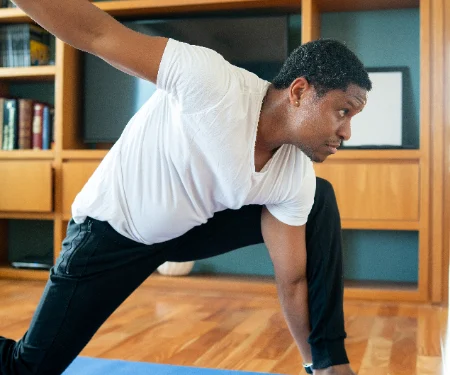
Move into Low Lunge to open up the hip flexors and quadriceps. This pose can help relieve tightness in the hips and improve flexibility.
8. Seated Forward Bend (Paschimottanasana)

Finish your routine with Seated Forward Bend to stretch the hamstrings and lower back. This pose also promotes relaxation and calms the mind.
Benefits of a Yoga Workout Recovery Routine
There are many benefits to incorporating a yoga workout recovery routine into your practice, including:
1. Faster Recovery
A recovery routine can help you recover faster after a challenging workout by promoting circulation, releasing tension, and restoring balance to the body.
2. Injury Prevention
By incorporating gentle stretches, restorative poses, and breathwork into your recovery routine, you can prevent injury, reduce muscle soreness, and improve flexibility.
3. Enhanced Performance
By taking the time to recover and restore after a workout, you can enhance your performance, increase strength and endurance, and improve overall fitness levels.
4. Stress Reduction
A recovery routine can help reduce stress, anxiety, and tension by promoting relaxation, calm, and inner peace.
5. Overall Well-Being
By incorporating a recovery routine into your practice, you can promote overall well-being, nurture your mind, body, and soul, and cultivate a sense of balance and harmony in your life.
Common Questions About Post-Workout Yoga Routine
Is it okay to do yoga after a workout?
Yes, it is safe and beneficial to do yoga after a workout. Yoga can help your muscles recover faster and prevent stiffness and soreness.
How long should I do yoga after a workout?
It is recommended to do at least 10-15 minutes of yoga after a workout to allow your body to cool down and relax. You can also do a longer practice if you have more time available.
Can beginners do post-workout yoga?
Yes, beginners can definitely do post-workout yoga. Start with gentle poses and gradually increase the intensity as you become more comfortable with the practice.
Conclusion
In conclusion, a yoga workout recovery routine is an essential component of any yoga practice. By incorporating gentle stretches, restorative poses, breathwork, and meditation into your recovery routine, you can revitalize and restore after a challenging workout, prevent injury, and enhance your overall well-being. Remember to listen to your body, honor your limits, and take the time to nourish and nurture yourself through the practice of yoga. Namaste.