Let’s be honest, you’ve probably tried building muscle before. Maybe you hit the gym hard for a few weeks, saw some initial changes, then watched your progress stall. Or perhaps you’ve been lifting for months (or years) without seeing the results you want. You’re not alone, and it’s not your fault.
The fitness industry is flooded with conflicting advice, overnight transformation promises, and complex programs that leave you more confused than when you started. But building muscle doesn’t have to be complicated. In fact, it’s surprisingly straightforward when you understand the fundamentals.
Here’s what actually matters: muscle building workouts that progressively challenge your body, consistent nutrition that supports growth, and adequate recovery that allows adaptation. Everything else is just noise.
How Your Muscles Actually Grow (The Science Made Simple)
When you lift weights, you create microscopic tears in your muscle fibers. Your body repairs these tears with protein, making the muscle slightly larger and stronger than before. This process, called muscle protein synthesis, is what drives muscle growth.
But here’s the catch – this only happens when three conditions are met:
- Mechanical tension: Your muscles must work against resistance
- Metabolic stress: Your muscles need to be challenged to the point of fatigue
- Muscle damage: Controlled damage that signals your body to adapt
Most people focus only on the first condition, which is why they plateau quickly. The most effective muscle building workouts strategically combine all three.
The Foundation: Progressive Overload (Your Growth Blueprint)
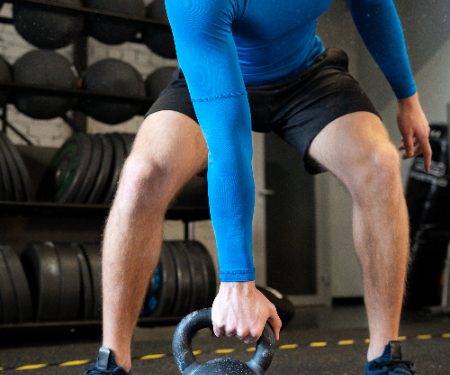
Progressive overload is the single most important principle in muscle building. Simply put, you must gradually increase the demands on your muscles over time. Without this progression, your body has no reason to grow.
Here’s how to apply progressive overload:
Add Weight: The most obvious method. When you can complete all your sets with perfect form, add 2.5-5 pounds.
Increase Reps: If you can’t add weight, add an extra rep or two to each set.
Add Sets: Include an additional set to increase total volume.
Improve Form: Focus on slower, more controlled movements to increase time under tension.
Reduce Rest Time: Decrease rest between sets to increase metabolic stress.
Track everything. Keep a workout log (even if it’s just notes on your phone) and ensure you’re progressing in some way each week. This single habit will accelerate your results more than any supplement or fancy technique.
The Essential Exercises (Your Muscle Building Arsenal)
Not all exercises are created equal. Some movements give you maximum muscle building bang for your buck, while others are just filler. Here are the exercises that should form the foundation of your muscle building workouts:
The Big Six Compound Movements
Squats: The king of leg exercises. Builds your quads, glutes, hamstrings, and core while teaching your body to move as a unit. Start with goblet squats if you’re new to lifting.
Deadlifts: Nothing builds total-body strength like deadlifts. They target your posterior chain (hamstrings, glutes, lower back) while strengthening your grip and core.
Bench Press: The gold standard for chest development. Also works your shoulders and triceps. Can’t bench? Start with push-ups or dumbbell presses.
Pull-ups/Rows: Essential for back development and shoulder health. If you can’t do pull-ups yet, start with assisted versions or inverted rows.
Overhead Press: Builds strong shoulders and a solid core. Often overlooked but crucial for balanced development.
Hip Hinge Movements: Romanian deadlifts, hip thrusts, and good mornings. Your glutes and hamstrings will thank you.
These six movement patterns should comprise 70-80% of your training. Master these, and you’ll build more muscle than someone doing dozens of isolation exercises with poor form.
Strategic Isolation Work
Once you’ve built a foundation with compound movements, isolation exercises help you target specific muscles and address weak points:
- Bicep curls for bigger arms
- Tricep extensions for horseshoe triceps
- Lateral raises for broader shoulders
- Leg curls for hamstring development
- Calf raises for lower leg mass
Think of isolation exercises as the finishing touches on a house – important, but only after you’ve built the foundation.
Your Muscle Building Workout Programs (From Beginner to Advanced)
Beginner Program: Full-Body Foundation (First 6 Months)
If you’re new to lifting, full-body workouts 3 times per week will give you the best results. You’ll hit each muscle group frequently while allowing adequate recovery.
Sample Week:
- Monday: Full Body A
- Tuesday: Rest
- Wednesday: Full Body B
- Thursday: Rest
- Friday: Full Body A
- Weekend: Rest
Full Body A:
- Squats: 3 sets of 8-10 reps
- Bench Press: 3 sets of 8-10 reps
- Bent-Over Rows: 3 sets of 8-10 reps
- Overhead Press: 2 sets of 10-12 reps
- Plank: 3 sets of 30-60 seconds
Full Body B:
- Deadlifts: 3 sets of 5-6 reps
- Pull-ups/Lat Pulldowns: 3 sets of 8-10 reps
- Incline Dumbbell Press: 3 sets of 10-12 reps
- Dumbbell Rows: 3 sets of 10-12 reps
- Bicep Curls: 2 sets of 12-15 reps
Intermediate Program: Upper/Lower Split (6 Months to 2 Years)
Once you’ve mastered the basics, you can handle more volume and frequency. The upper/lower split allows you to train each muscle group twice per week with more exercises per session.
Sample Week:
- Monday: Upper Body
- Tuesday: Lower Body
- Wednesday: Rest
- Thursday: Upper Body
- Friday: Lower Body
- Weekend: Rest
Upper Body:
- Bench Press: 4 sets of 6-8 reps
- Bent-Over Rows: 4 sets of 6-8 reps
- Overhead Press: 3 sets of 8-10 reps
- Pull-ups: 3 sets of 8-10 reps
- Dips: 3 sets of 10-12 reps
- Bicep Curls: 3 sets of 10-12 reps
- Tricep Extensions: 3 sets of 10-12 reps
Lower Body:
- Squats: 4 sets of 6-8 reps
- Romanian Deadlifts: 4 sets of 8-10 reps
- Bulgarian Split Squats: 3 sets of 10-12 per leg
- Leg Curls: 3 sets of 12-15 reps
- Calf Raises: 4 sets of 15-20 reps
- Plank: 3 sets of 60 seconds
Advanced Program: Push/Pull/Legs (2+ Years)
Experienced lifters can handle more volume and specialization. The push/pull/legs split allows you to really focus on specific muscle groups.
Sample Week:
- Monday: Push (Chest, Shoulders, Triceps)
- Tuesday: Pull (Back, Biceps)
- Wednesday: Legs
- Thursday: Push
- Friday: Pull
- Saturday: Legs
- Sunday: Rest
This is just a framework – the key is progression and consistency, not the perfect program.
Nutrition: The Fuel for Your Muscle Building Machine
You can’t out-train a bad diet. Muscle building requires energy (calories) and building blocks (protein). Here’s what you need to know:
Calories: The Energy Equation
To build muscle, you need to eat slightly more calories than you burn. This creates an anabolic environment where your body has the resources to build new tissue.
How to calculate your needs:
- Find your maintenance calories (there are calculators online, or start with bodyweight × 15)
- Add 300-500 calories for muscle building
- Adjust based on results after 2-3 weeks
Don’t go overboard – eating 1000+ calories over maintenance won’t build muscle faster, it’ll just make you fat.
Protein: Your Muscle Building Blocks
Protein provides the amino acids your muscles need to grow. Without adequate protein, you won’t build muscle regardless of how hard you train.
Target: 0.8-1.2 grams per pound of body weight
For a 180-pound person, that’s 144-216 grams of protein daily. Spread this across 3-4 meals for optimal muscle protein synthesis.
Quality protein sources:
- Lean meats (chicken, turkey, lean beef)
- Fish and seafood
- Eggs
- Dairy (Greek yogurt, cottage cheese)
- Plant-based options (beans, lentils, quinoa)
Carbohydrates: Your Training Fuel
Carbs fuel your workouts and help with recovery. You don’t need to go low-carb to build muscle – in fact, it might hurt your performance.
Target: 1-2 grams per pound of body weight
Focus on nutrient-dense sources like fruits, vegetables, whole grains, and legumes.
Fats: Essential for Hormones
Healthy fats support hormone production, including testosterone and growth hormone. Don’t fear fats – embrace them.
Target: 0.3-0.5 grams per pound of body weight
Include sources like nuts, avocados, olive oil, and fatty fish.
Recovery: Where the Magic Happens
This might surprise you, but you don’t actually build muscle in the gym. You build muscle during recovery when your body repairs and adapts to the stress you’ve placed on it.
Sleep: Your Secret Weapon
Sleep is when your body releases growth hormone and performs most of its muscle-building work. Skimp on sleep, and you’ll sabotage your results.
Target: 7-9 hours per night
Sleep optimization tips:
- Keep your bedroom cool and dark
- Avoid screens 1 hour before bed
- Establish a consistent bedtime routine
- Consider blackout curtains or a sleep mask
Managing Stress
Chronic stress elevates cortisol, which can break down muscle tissue and interfere with recovery. Find healthy ways to manage stress:
- Regular exercise (which you’re already doing!)
- Meditation or deep breathing
- Hobbies you enjoy
- Social connections
- Time in nature
Rest Days Are Growth Days
Your muscles grow during rest, not during workouts. Take at least 1-2 complete rest days per week, and don’t train the same muscle groups on consecutive days.
Active recovery (light walking, gentle stretching, yoga) can actually enhance recovery by promoting blood flow without adding stress.
Common Mistakes That Kill Your Progress
Training Mistakes
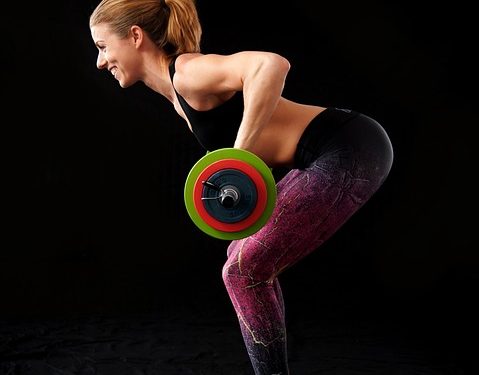
Ego Lifting: Using weights that are too heavy and sacrificing form. This increases injury risk and actually reduces muscle stimulation. Leave your ego at the door.
Program Hopping: Switching programs every few weeks. Consistency beats perfection. Stick with a program for at least 6-8 weeks.
Ignoring Progressive Overload: Doing the same weights, reps, and sets week after week. Your body adapts quickly – you must consistently challenge it.
Overtraining: More isn’t always better. If you’re constantly sore, fatigued, or seeing decreased performance, you might be overdoing it.
Nutrition Mistakes
Not Eating Enough: You can’t build muscle in a caloric deficit. If you’re not gaining weight, you’re not eating enough.
Inadequate Protein: Protein is expensive and filling, so many people skimp on it. Don’t – it’s non-negotiable for muscle growth.
All-or-Nothing Mentality: One bad meal doesn’t ruin your progress. Consistency over perfection.
Recovery Mistakes
Ignoring Sleep: Staying up late scrolling social media will hurt your gains more than skipping a workout.
Training Through Pain: Discomfort is normal, but pain is your body’s warning signal. Learn the difference.
Neglecting Stress Management: If you’re constantly stressed, your body won’t prioritize muscle building.
Tracking Your Progress (Because What Gets Measured Gets Managed)
Progress photos, body measurements, and strength gains are more important than the scale. Muscle is denser than fat, so you might actually gain weight while getting leaner and more muscular.
Weekly check-ins:
- Take progress photos (same lighting, same poses)
- Measure key areas (chest, arms, waist, thighs)
- Track your lifts (weights, reps, sets)
- Monitor your energy and recovery
Monthly assessments:
- Compare photos from 4 weeks ago
- Analyze strength progression trends
- Adjust nutrition if needed
- Evaluate program effectiveness
Special Considerations
Building Muscle After 40
Age is not an excuse, but it does require some adjustments. Recovery takes longer, hormone levels may be lower, and injury risk increases. Focus on:
- Longer warm-ups and cool-downs
- More emphasis on mobility and flexibility
- Potentially longer rest periods between sets
- Stress management becomes even more critical
Women and Muscle Building
Women can build muscle just as effectively as men, just not as much total muscle due to hormonal differences. The principles remain the same:
- Progressive overload
- Adequate protein
- Sufficient calories
- Proper recovery
Don’t fear “getting bulky” – building significant muscle mass takes years of dedicated effort, regardless of gender.
Home Gym Solutions
Don’t have access to a fully equipped gym? No problem. You can build muscle with minimal equipment:
Bodyweight basics: Push-ups, squats, lunges, pull-ups (if you have a bar) Resistance bands: Provide variable resistance for all movement patterns Adjustable dumbbells: Allow for progressive overload in a compact space Suspension trainer: Enables hundreds of exercises with one piece of equipment
Your Path Forward
Building muscle is a marathon, not a sprint. You won’t see dramatic changes overnight, but with consistency, you’ll be amazed at what you can achieve in 6-12 months.
Your action plan:
- Choose a program that matches your experience level
- Calculate your caloric and protein needs
- Prioritize sleep and stress management
- Track your progress consistently
- Stay patient and trust the process
Remember, the best muscle building workout is the one you’ll actually do consistently. Start where you are, use what you have, and do what you can. Your future self will thank you for starting today.
The bottom line: Building muscle isn’t complicated, but it does require dedication, consistency, and patience. Focus on the fundamentals, avoid common mistakes, and trust the process. Your results will speak for themselves.
Common Questions About Home Muscle-Building Workouts
Can I build muscle without weights?
Yes, you can build muscle without weights by using your body weight for resistance or incorporating household items like water bottles or resistance bands into your workouts. Bodyweight exercises like push-ups, squats, and lunges can be just as effective as traditional weightlifting exercises.
How often should I work out to build muscle?
It’s recommended to work out each muscle group 2-3 times per week to allow for adequate rest and recovery. Listen to your body and adjust your workout frequency as needed based on how your muscles are responding.
What should I eat to support muscle growth?
To support muscle growth, focus on eating a balanced diet rich in protein, carbohydrates, and healthy fats. Aim to consume protein sources like chicken, fish, tofu, and beans, along with complex carbohydrates like fruits, vegetables, and whole grains.