Picture this: You wake up feeling energized, your skin is glowing, and you haven’t experienced that afternoon energy crash in weeks. Your last blood work showed cholesterol levels that made your doctor do a double-take, and you’re fitting into clothes you haven’t worn in years. Sound too good to be true? For millions of people worldwide, this isn’t a fantasy—it’s their reality after embracing a vegan diet.
If you’re curious about plant-based eating but wondering whether a vegan diet can truly deliver on its health promises, you’re not alone. Maybe you’re tired of feeling sluggish, concerned about your family’s health history, or simply want to explore what eating more plants could do for your wellbeing. Whatever brought you here, you’re about to discover why a vegan diet might be the game-changer you’ve been looking for.
What Is a Vegan Diet?
Let’s start with the basics. A vegan diet eliminates all animal products—meat, dairy, eggs, and even honey. Instead, it focuses entirely on plant-based foods: fruits, vegetables, grains, legumes, nuts, and seeds. Think of it as eating from nature’s most colorful palette.
But here’s what makes today’s vegan movement different from past decades: it’s not just about what you’re avoiding—it’s about embracing an incredible variety of delicious, satisfying foods. We’re talking about creamy cashew alfredo, hearty lentil bolognese, and chocolate avocado mousse that’ll make you forget you’re eating “healthy.”
The science backing plant-based nutrition has exploded in recent years. Major health organizations, including the American Dietetic Association and the World Health Organization, now recognize that well-planned vegan diets aren’t just adequate—they’re advantageous for health and disease prevention.
The Nutritional Powerhouse You Never Knew You Needed
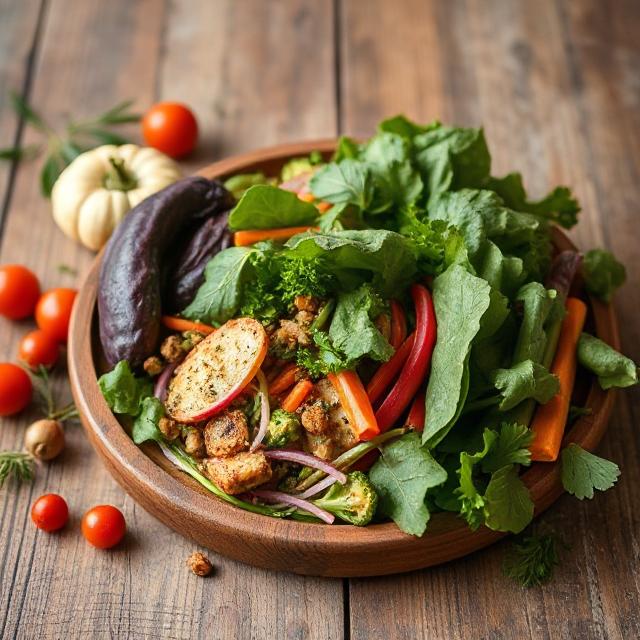
Here’s where things get exciting. Remember being told you need meat for protein? That’s old thinking. A vegan diet can provide all the protein your body needs, often with a bonus: it comes packaged with fiber, antioxidants, and phytonutrients that animal products simply can’t offer.
Take Sarah, a marathon runner who switched to a vegan diet two years ago. “I was skeptical about getting enough protein,” she admits. “But after learning about combining foods like beans and rice, or snacking on nuts and seeds, I realized I was getting more protein than ever—plus my recovery time improved dramatically.”
Plant proteins are found in surprising places. A cup of cooked lentils contains 18 grams of protein (that’s more than three eggs!), while quinoa is a complete protein containing all nine essential amino acids. Hemp seeds, chia seeds, and spirulina are protein powerhouses that also deliver healthy fats and minerals.
The vitamin and mineral profile of a well-planned vegan diet often surpasses traditional diets. You’ll get more vitamin C, vitamin E, folate, potassium, magnesium, and beneficial plant compounds called phytonutrients. These nutrients work together like a symphony, supporting everything from immune function to cellular repair.
Now, let’s address the elephant in the room: vitamin B12. Yes, vegans need to supplement or eat fortified foods for B12, since it’s primarily found in animal products. But here’s the plot twist—many meat-eaters are also B12 deficient. A simple supplement or nutritional yeast (which tastes surprisingly cheesy) solves this easily.
Your Heart Will Thank You
If there’s one area where a vegan diet truly shines, it’s cardiovascular health. The statistics are compelling: vegans have a 42% lower risk of dying from heart disease compared to meat-eaters. But what does this mean for your daily life?
Meet Tom, a 52-year-old accountant whose doctor warned him about his rising cholesterol levels. “I thought I was doomed to a lifetime of medications,” he recalls. “My family has a history of heart disease, and my numbers were heading in the wrong direction.” Six months after adopting a vegan diet, Tom’s total cholesterol dropped from 240 to 180, and his LDL (the “bad” cholesterol) was in the optimal range.
This isn’t unusual. Plant foods contain zero cholesterol and are typically lower in saturated fat than animal products. Instead, they’re rich in soluble fiber, which actually helps remove cholesterol from your bloodstream. Foods like oats, beans, and apples contain beta-glucan, a type of fiber that acts like a cholesterol-lowering sponge.
The anti-inflammatory effects of plant foods also work wonders for your cardiovascular system. Chronic inflammation is like having a small fire burning in your arteries. Plant compounds called polyphenols—found in berries, green tea, and dark leafy greens—act as natural fire extinguishers, cooling inflammation and protecting your heart.
Weight Management That Actually Works
Here’s something refreshing: with a vegan diet, you don’t need to count calories obsessively or measure portions with a food scale. The high fiber content in plant foods naturally regulates appetite and helps you feel satisfied with fewer calories.
Think about it—when was the last time you binged on apples or overate steamed broccoli? The fiber and water content in whole plant foods trigger satiety signals in your brain, making it easier to stop eating when you’re full. Compare that to processed foods or high-fat animal products, which can override these natural hunger cues.
Lisa, a working mother of two, discovered this firsthand. “I’d tried every diet imaginable,” she says. “But with plant-based eating, I finally stopped obsessing about food. I eat until I’m satisfied, include plenty of variety, and the weight came off naturally—and stayed off.”
Research supports Lisa’s experience. Studies show that vegans have lower average BMIs and are less likely to be obese than their omnivorous counterparts. The magic lies in the combination of high fiber, low calorie density, and improved insulin sensitivity that comes with plant-based eating.
Disease Prevention: Your Body’s Insurance Policy
Cancer is a word that strikes fear into most hearts, but here’s empowering news: your food choices can significantly influence your risk. The World Health Organization classified processed meats as carcinogenic, while plant foods are consistently associated with cancer protection.
The rainbow of colors in fruits and vegetables isn’t just pretty—it represents different families of cancer-fighting compounds. The deep purple in blueberries contains anthocyanins, which help prevent DNA damage. The bright orange in carrots signals beta-carotene, which supports immune function. Cruciferous vegetables like broccoli and Brussels sprouts contain sulforaphane, a compound that literally helps your body eliminate potential carcinogens.
Your digestive system particularly benefits from plant-based eating. The fiber feeds beneficial gut bacteria, creating a thriving microbiome that’s linked to everything from immune function to mental health. People eating vegan diets show increased diversity in their gut bacteria—a marker of digestive health.
Dr. Michael Greger, a physician and nutrition researcher, puts it simply: “Every time you sit down to eat, you’re making a choice that either feeds disease or fights it.” A vegan diet consistently chooses to fight.
Mental Clarity and Emotional Wellbeing
Have you ever noticed how you feel after a heavy meal versus a light, plant-based one? The difference isn’t just physical—it’s mental and emotional too. Many people report improved mood, better sleep, and enhanced mental clarity after transitioning to a vegan diet.
The connection isn’t mysterious. Your brain thrives on steady blood sugar levels, which plant foods provide through complex carbohydrates and fiber. Meanwhile, the omega-3 fatty acids from sources like flaxseeds, chia seeds, and walnuts support brain health and may help reduce symptoms of depression and anxiety.
Jake, a college student, noticed the difference during finals week. “I used to crash after eating pizza or fast food, but now I can study for hours without feeling foggy. My anxiety levels are way down too.” This isn’t just in his head—research shows that plant-based diets are associated with lower rates of depression and anxiety.
Making the Transition: Your Practical Roadmap
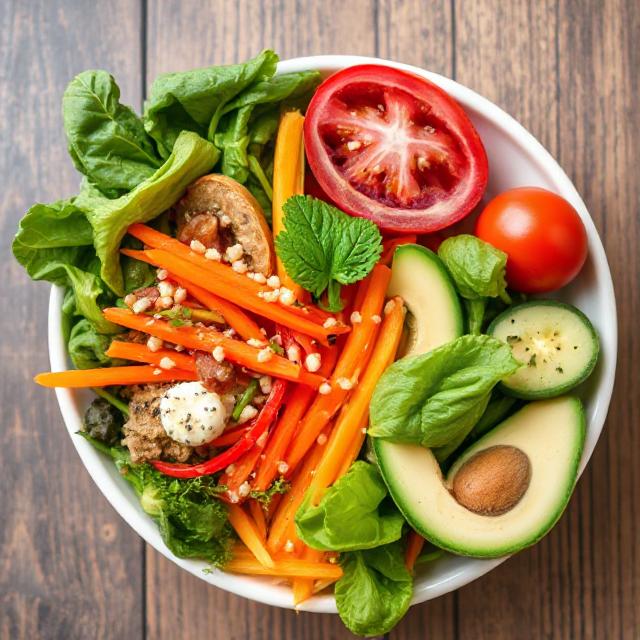
Ready to explore a vegan diet but feeling overwhelmed? Start where you are, not where you think you should be. The most successful transitions happen gradually, allowing your taste buds and cooking skills to evolve naturally.
Week 1-2: Crowding Out Instead of focusing on what you can’t eat, crowd your plate with delicious plant foods. Add a green smoothie to your morning routine. Choose a hearty lentil soup for lunch. Experiment with roasted vegetables as a side dish. You’re not restricting—you’re expanding.
Week 3-4: Substitution Game This is where it gets fun. Swap ground beef for lentils in your favorite chili recipe. Use cashew cream instead of dairy in pasta dishes. Try plant-based milk in your coffee. The goal isn’t perfection—it’s progress.
Week 5-6: Meal Planning Magic Batch cook grains, beans, and roasted vegetables on Sunday. Having these basics ready makes weeknight dinners effortless. Prepare overnight oats for grab-and-go breakfasts. Stock up on frozen fruits for smoothies.
Beyond Week 6: Finding Your Rhythm By now, you’ve likely discovered some new favorite foods and cooking techniques. You might find yourself naturally gravitating toward plant-based options because they make you feel better.
Navigating Social Situations
Let’s be honest—the hardest part of adopting a vegan diet often isn’t the food, it’s the social aspects. From family dinners to office parties, food is deeply intertwined with our relationships and traditions.
The key is communication and preparation. Let your host know about your dietary preferences in advance, and offer to bring a dish to share. Most people are more accommodating than you might expect, especially when you approach the conversation with appreciation rather than demands.
Restaurant dining has become infinitely easier as plant-based options have exploded. Even steakhouses now offer creative vegetable-centered dishes. Apps like HappyCow can help you find vegan-friendly restaurants wherever you are.
Building Your Support System
Transitioning to a vegan diet doesn’t have to be a solo journey. Online communities, local meetup groups, and even family members can become valuable allies. Share your “why” with people who matter to you—whether it’s improving health, environmental concerns, or animal welfare.
Consider finding a “vegan buddy” who’s also interested in plant-based eating. You can share recipes, try new restaurants together, and support each other through challenges. Many people find that their social circles naturally expand to include others interested in healthy, conscious living.
Monitoring Your Health Journey
One of the most rewarding aspects of adopting a vegan diet is witnessing measurable improvements in your health markers. Schedule regular check-ups with your healthcare provider and ask for comprehensive blood work including cholesterol panels, blood sugar levels, and vitamin B12 status.
Keep a simple food and energy journal during your first few months. Note how you feel, your energy levels, sleep quality, and any changes in digestion. This personal data will be far more motivating than any research study.
Many people discover that their relationship with food fundamentally changes. Instead of viewing meals as potential sources of guilt or restriction, food becomes medicine, fuel, and pleasure all rolled into one.
The Ripple Effects: Beyond Personal Health
While this article focuses on health benefits, it’s worth noting that choosing a vegan diet creates positive ripples beyond your own wellbeing. You’re reducing your environmental footprint, supporting more humane treatment of animals, and often discovering a deeper connection to the food you eat.
These additional motivations can provide powerful reinforcement when you’re tempted to revert to old habits. Knowing that your food choices align with your values creates a sense of integrity that extends far beyond the dinner plate.
Your Journey Starts Now
Adopting a vegan diet isn’t about perfection—it’s about progress. Every plant-based meal is a step toward better health, increased energy, and a more vibrant life. You don’t need to transform overnight or have all the answers before you begin.
Start with one plant-based meal a day. Experiment with new fruits and vegetables. Try that lentil recipe you bookmarked. Pay attention to how different foods make you feel. Your body has an incredible capacity to heal and thrive when given the right nutrition.
The benefits of a vegan diet—from improved heart health and weight management to enhanced mental clarity and disease prevention—aren’t just statistics in research papers. They’re real improvements that real people experience every day. People like Sarah, Tom, Lisa, and Jake, who took the leap and discovered that eating plants wasn’t about deprivation—it was about abundance.
Your health journey is uniquely yours, but you don’t have to walk it alone. Whether you’re taking your first steps toward plant-based eating or you’re ready to fully embrace a vegan lifestyle, remember that every positive change starts with a single decision.
The question isn’t whether you can afford to try a vegan diet—it’s whether you can afford not to. Your future self is waiting to thank you for the choice you make today.